
Music Therapy Resources
Explore free and open-access music therapy research, article summaries, and educational resources curated by Revival Jam. Search the library below for topics spanning autism, depression, anxiety, quality of life, dementia, and more.
Music Therapy for Psychological Trauma: Emotion Regulation, Social Connection, and Recovery
A 2025 integrative review examines how music therapy may support trauma recovery through emotion regulation, social connection, nonverbal expression, and therapeutic safety. The article highlights growing evidence for music therapy in trauma-focused care, including PTSD-related treatment research.
Article Overview
This 2025 theoretical integrative review explores how music therapy may support people recovering from psychological trauma, including post-traumatic stress disorder (PTSD). The authors describe music therapy as a clinical, evidence-based practice that has been used across mental health settings to support emotion processing, affect regulation, and functioning, while also reviewing the growing trauma-focused literature in the field.
The review identified 19 empirical studies published since 2017 and found important advances in trauma-focused music therapy research, including increased use of randomized controlled trials, physiological measures, more detailed intervention descriptions, and the emergence of manualized treatments. The paper highlights recurring themes such as emotion regulation, social affiliation, nonverbal expression, agency, and therapeutic safety as possible mechanisms through which music therapy may help trauma survivors.
Why This Matters
This article matters because it helps explain not only that music therapy may support trauma recovery, but also how it may work. The review discusses music therapy as a potentially useful trauma-informed approach because it can support emotional regulation, embodied processing, nonverbal expression, and social connection, all of which are especially relevant for people living with trauma-related distress.
For a public-facing music therapy library, this is a valuable article because it shows that the field is growing in both theory and evidence. It also positions music therapy as a promising complement to mainstream mental health care, while honestly acknowledging that the field still needs more comparative studies, streamlined interventions, and stronger replication.
Williams, J., & Sidis, A. E. (2025). Music therapy for psychological trauma: A theoretical integrative review. The Arts in Psychotherapy, 96, 102369. https://doi.org/10.1016/j.aip.2025.102369
Read The Full Article

Landscape, Albert Pinkham Ryder, 1897–98 (?)
Music Therapy Songwriting for Veterans: Expression, Recovery, and Emotional Support
This qualitative music therapy study examined songs written by active-duty service members during rehabilitation for PTSD, TBI, and related mental health challenges. The findings suggest that songwriting may support emotional expression, communication, identity exploration, and recovery in military settings.
Article Overview
Songwriting in music therapy is increasingly being explored as a meaningful way to support emotional expression, identity work, and communication in military rehabilitation. In this 2019 retrospective qualitative analysis, researchers examined 14 songs written by 11 active-duty service members during music therapy treatment at the National Intrepid Center of Excellence at Walter Reed. Songs were created across 2–3 individual sessions facilitated by a board-certified music therapist and reflected the experiences of service members coping with PTSD, depression, anxiety, TBI, and difficult recovery and reintegration processes.
The analysis found that songwriting gave service members a way to express fears, hopes, emotional pain, and the challenges of homecoming and rehabilitation. The authors describe songwriting as a reflective medium through which participants could communicate thoughts and feelings, explore difficult internal experiences, and share parts of their story with family, peers, and providers. Rather than testing symptom reduction in a controlled trial, the study offers qualitative insight into how music therapy songwriting may support emotional expression, reflection, and psychotherapeutic processing in military populations.
Why This Matters
This article matters because it highlights a side of music therapy research that is deeply human and clinically meaningful, even when it is not measured through symptom scores alone. For service members recovering from trauma, TBI, depression, anxiety, and difficult re-entry experiences, songwriting may offer a way to express emotions, communicate struggles, and explore identity in a form that can feel less threatening than direct conversation. The paper also suggests that songwriting may help lower resistance to emotional exploration through musical structure and metaphor, while supporting communication and self-understanding.
It is also valuable because the study shows how songs can become a bridge between inner experience and interpersonal connection. The authors note that the songs enabled service members to share thoughts, emotions, fears, and hopes with family, friends, and providers, sometimes for the first time, and describe songwriting as an important stepping stone in psychotherapeutic processing. For a site library, this makes the article especially useful for themes like music therapy for veterans, PTSD support, songwriting in therapy, identity and recovery, and emotional expression through music.
Bradt, J., Norris, M., Shim, M., Gracely, E. J., & Gerrity, P. (2019). Vocal warriors: A retrospective qualitative analysis of songwriting in music therapy during military service members’ rehabilitation. The Arts in Psychotherapy, 62, 19–27.
Read The Full Article
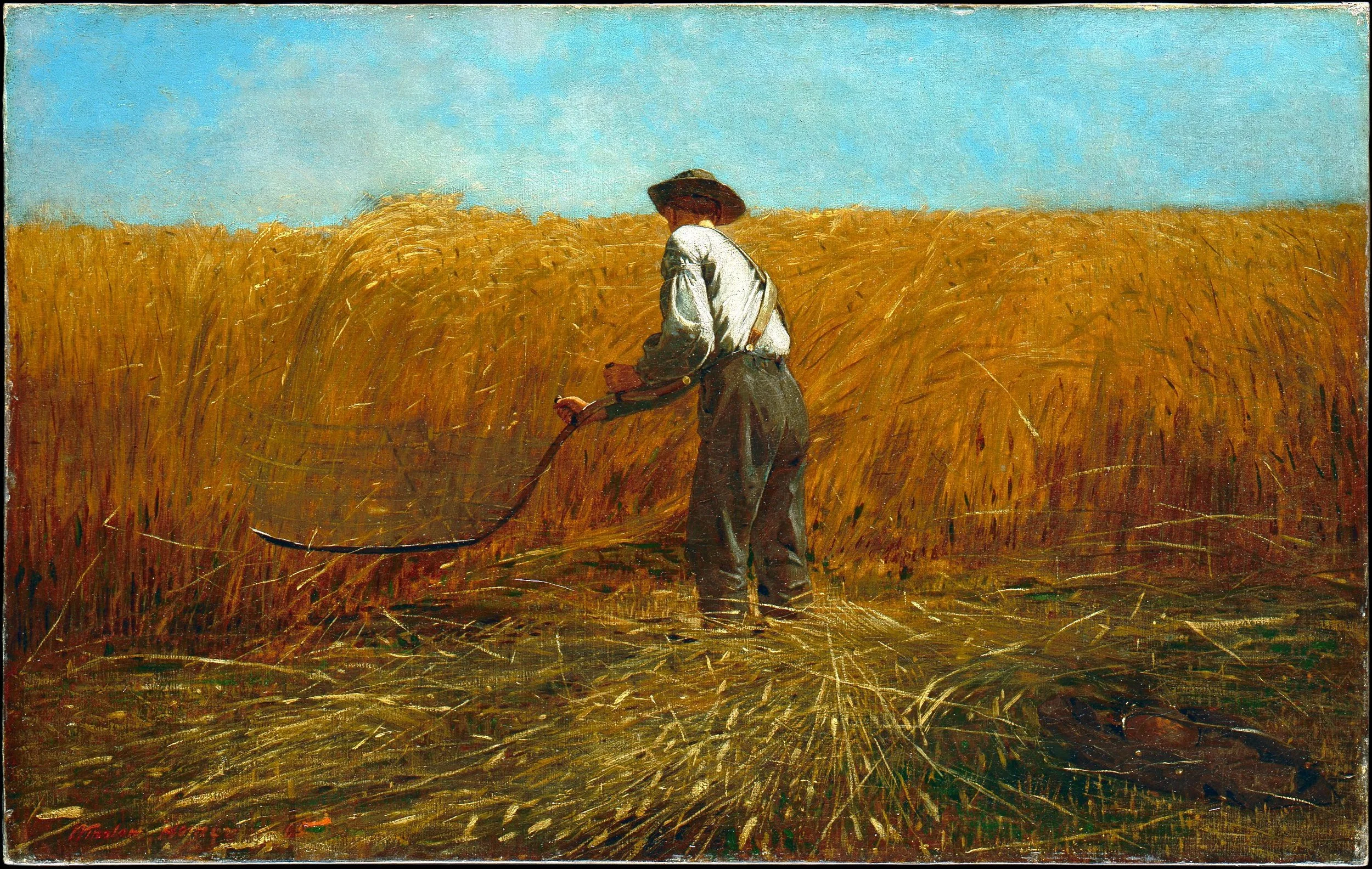
The Veteran in a New Field, Winslow Homer, 1865