
Music Therapy Resources
Explore free and open-access music therapy research, article summaries, and educational resources curated by Revival Jam. Search the library below for topics spanning autism, depression, anxiety, quality of life, dementia, and more.
Telehealth Music Therapy: Access, Connection, and Virtual Care
This 2026 scoping review examines telehealth music therapy across clinical, educational, and community settings. Across 53 peer-reviewed studies, the findings suggest that virtual music therapy can support access, engagement, mood, anxiety reduction, and caregiver connection, while also highlighting the need for stronger comparative research.
Article Overview
Telehealth music therapy has grown rapidly in recent years as clinicians, educators, and researchers have adapted music therapy to virtual care settings. In this 2026 scoping review, researchers mapped the existing literature on telehealth music therapy across clinical, educational, and community contexts. The review identified 53 eligible peer-reviewed studies published between 2009 and 2025, with most appearing after 2020.
The findings suggest that telehealth music therapy shows strong feasibility, accessibility, and acceptability across a wide range of populations, including children with developmental delays, adults with cancer, older adults with dementia or Parkinson’s disease, veterans, caregivers, and students. Reported benefits included reduced anxiety, improved mood, greater caregiver-client connection, enhanced engagement, and expanded access for rural, isolated, or homebound individuals. At the same time, the review notes that the evidence base is still dominated by small-scale qualitative and feasibility studies, with a lack of randomized controlled trials and ongoing challenges related to technology, infrastructure, and fit for certain clients or interventions.
Why This Matters
This article matters because it gives a broad, current picture of how telehealth music therapy, virtual music therapy, and online music therapy are being used in real-world practice. For readers searching for remote services, it supports the idea that music therapy can be delivered meaningfully through videoconferencing and hybrid models, especially when barriers like distance, health limitations, transportation, or scheduling make in-person care difficult.
It is also useful because it stays grounded in the current evidence. This is a scoping review, not a meta-analysis, so it is best understood as a map of the field rather than proof that telehealth is always equal to or better than in-person care. The review specifically notes that telehealth music therapy may not be the best fit in every situation and that factors like technology access, caregiver support, therapeutic relationship, and client safety still matter. That balance makes it a strong library article for your site because it combines strong SEO value with careful, credible framing.
Clements-Cortés, A., Pranjić, M., Hernandez-Ruiz, E., Kelly, L., Brotons, M., Selvarajah, I., Wandel, N., & Han, E. (2026). Telehealth music therapy research, training and practice: A scoping review. The Arts in Psychotherapy, 98, 102432. https://doi.org/10.1016/j.aip.2026.102432
Read The Full Article

Elegant Conversation in Mountains, spurious seal of Tenshō Shūbun, 17th century
Music Therapy for Depression: Expression, Support, and Emotional Well-Being
This Cochrane systematic review examined whether music therapy may help reduce depressive symptoms and support emotional well-being. Across 9 studies involving 421 participants, the findings suggest that music therapy added to standard care may provide short-term benefits for depression, anxiety, and functioning.
Article Overview
Music therapy is increasingly being explored as a supportive treatment for people living with depression. In this 2017 Cochrane systematic review, researchers examined randomized and controlled clinical trials to evaluate whether music therapy could improve depressive symptoms when added to treatment as usual or compared with other therapies. The review included 9 studies with 421 participants.
The findings suggest that music therapy added to treatment as usual may provide short-term benefits for people with depression. Compared with treatment as usual alone, music therapy was associated with improvements in clinician-rated and patient-reported depressive symptoms, and it was also linked with better anxiety and functioning outcomes. The review did not find clear evidence for improvement in quality of life, and comparisons with psychological therapies remained uncertain because the evidence was limited and, in some cases, low quality.
Why This Matters
Depression can affect emotional well-being, motivation, daily functioning, and quality of life. This article matters because it highlights music therapy as a potential supportive mental health intervention that may help reduce depressive symptoms when used alongside standard care. For readers searching for research on music therapy, depression, and emotional well-being, this review offers a strong evidence-based starting point.
It is also important because the review comes from Cochrane, a widely respected source for systematic reviews in healthcare. At the same time, the article is careful not to overstate the findings: the benefits were short-term, the total number of studies was relatively small, and some comparisons with other therapies were still uncertain. That balance makes it a credible and useful article for a website library focused on music therapy research.
Aalbers, S., Fusar-Poli, L., Freeman, R. E., Spreen, M., Ket, J. C. F., Vink, A. C., Maratos, A., Crawford, M., Chen, X.-J., & Gold, C. (2017). Music therapy for depression. Cochrane Database of Systematic Reviews, 2017(11), CD004517. https://doi.org/10.1002/14651858.CD004517.pub3
Read The Full Article
Repose, John White Alexander, 1895.
Music Therapy for Children with Autism: Social Skills, Language, and Development
This 2025 randomized controlled trial explored whether music therapy could support social skills in children with autism spectrum disorder. Across 12 weeks, the findings suggest benefits in social communication, language-related scores, sociability, and child development outcomes.
Article Overview
Music therapy is increasingly being explored as a supportive intervention for children with autism spectrum disorder, especially in areas related to social communication and language. In this 2025 randomized controlled trial, researchers examined whether adding music therapy to standard care could improve social skills in children with ASD. The study included 29 children, with 15 in the music therapy group and 14 in the control group.
The music therapy program was delivered in small groups of 3–5 children, for 30 minutes, three times a week, over 12 weeks. According to the abstract, children in the music therapy group showed significantly better outcomes in social communication, speech/language/communication, sociability, and the social domain of developmental assessment compared with the control group. The authors conclude that music therapy may be an effective complement to regular social skills training, while the small sample size means the findings should still be interpreted with appropriate caution.
Why This Matters
This article matters because social communication, language, and relationship-building are central concerns for many children with autism and their families. The study suggests that music therapy may support these areas in a structured, child-centered format that combines musical activities with social skills work. That gives your library a research article that is both highly relevant to families and strong for search terms related to autism, social skills, language development, and music therapy.
It is also useful to frame the study transparently. This was a randomized controlled trial, which is a stronger design than many descriptive or conceptual papers, but it was still a small study with only 29 participants. In addition, the intervention was described as being led by an occupational therapist and combining social skills training with musical activities, so it is best presented as a promising structured intervention rather than definitive proof about all music therapy approaches for autism.
Zhou, Z., Zhao, X., Yang, Q., Zhou, T., Feng, Y., Chen, Y., Chen, Z., & Deng, C. (2025). A randomized controlled trial of the efficacy of music therapy on the social skills of children with autism spectrum disorder. Research in Developmental Disabilities, 158, 104942. https://doi.org/10.1016/j.ridd.2025.104942
Read The Full Article
Studies of Two Men and a Woman Teaching a Child to Walk, Nicolaes Maes, Circle of Rembrandt (Rembrandt van Rijn), 1645–50
Music Therapy for Late-Life Depression: Emotion, Connection, and Well-Being in Older Adults
A 2025 scoping review explores how music therapy may support older adults living with late-life depression through emotion regulation, social connection, reminiscence, motivation, and well-being. The article highlights key therapeutic processes that may shape outcomes in later-life mental health care.
Article Overview
This 2025 scoping review examines how music therapy may support older adults living with late-life depression. Reviewing 31 studies, the authors identified a range of therapeutic factors, mechanisms of change, and related outcomes associated with music therapy in this population. The review organized these findings into five domains: emotion, social, cognition, arousal, and behavior and motivation.
Among these domains, emotion emerged as the most prominent. The review highlights processes such as emotion regulation, emotional expression, pleasure, stress reduction, reminiscence, social connection, and motivation as important parts of how music therapy may help older adults with depression. Rather than focusing on one single intervention, the article maps the broader field and shows how music therapy may support mental health and quality of life in later adulthood.
Why This Matters
This article is valuable because it helps explain not only that music therapy may support older adults with depression, but also how it may work. For families, clinicians, and care communities, this kind of review offers a more complete picture of music therapy as a relational, emotional, and biopsychosocial intervention rather than just a pleasant activity.
It is also a strong fit for a public-facing music therapy library because late-life depression is an important mental health issue, and many people are looking for supportive, nonpharmacological approaches that address mood, connection, engagement, and quality of life. The review also honestly notes that the literature remains heterogeneous, which helps present the field in a credible and balanced way.
Lu, H., Li, Y., Wong, M. T. H., Qiu, X., Zhang, M., Jiang, C., Zhang, X., Lau, K. K.-L., Ho, R. T. H., & Tong, T. (2025). Therapeutic factors, presumed mechanisms of change, and relevant outcomes in music therapy for people with late-life depression: A scoping review. The Arts in Psychotherapy, 95, 102325. https://doi.org/10.1016/j.aip.2025.102325
Read The Full Article
Day (Le Jour), from the series, Dreams (Songes), plate VI, Odilon Redon, 1891
Music Therapy and Parent-Child Attachment: Bonding, Co-Regulation, and Early Relationship Support
Can music help strengthen early parent-child relationships? This systematic review explores how singing and other music interventions may support bonding, co-regulation, parental sensitivity, and relationship quality in infancy and early childhood.
Article Overview
This systematic review examines how music interventions may support parent-child attachment-related outcomes in early childhood, especially in infants and young children from birth to age five. The review looked at 23 publications representing 15 unique interventions and found that music-based approaches were associated with improvements in bonding, emotional co-regulation, parental sensitivity, and relationship quality. Singing was present in all interventions, suggesting it may be especially helpful in supporting early parent-child connection.
Rather than proving that music interventions directly increase attachment security, the review focuses on attachment-related outcomes and the psychological processes that may support healthy relationships, such as parental sensitivity, reflective functioning, and emotional co-regulation. The authors also note that music interventions were often enjoyable and acceptable to families, which may increase engagement and help parents continue using music techniques at home.
Why This Matters
Early parent-child relationships shape emotional development, regulation, trust, and wellbeing across the lifespan. This article matters because it suggests that music interventions may offer meaningful support for bonding, soothing, responsiveness, and relational attunement during infancy and early childhood. For families, clinicians, and early intervention providers, it highlights music as a practical and relationship-based way to support connection.
The review is also helpful because it is transparent about the limits of the evidence. The authors state that no included studies directly measured attachment security itself, and they describe the overall evidence base as relatively weak, with many case studies and few strong controlled trials. That makes this article valuable not because it gives a final answer, but because it offers a careful, research-informed picture of where the field currently stands.
Newman, L. J., Stewart, S. E., Freeman, N. C., & Thompson, G. (2022). A systematic review of music interventions to support parent-child attachment. Journal of Music Therapy, 59(4), 430–459. https://doi.org/10.1093/jmt/thac012
Read The Full Article

Landscape with Waterfall and a Mother and Child, Johann Peter Beer, 1800
Music Therapy for Advanced Dementia: Distress Reduction, Connection, and Well-Being
A new open-access review in Nature Mental Health explores how music therapy may reduce distress and support well-being in advanced dementia care. The article highlights the role of attunement, relationship, sensory connection, and staff collaboration in improving care experiences.
Article Overview
This article explores how and why music therapy may help reduce distress and improve well-being for people with advanced dementia in institutional settings such as care homes, hospitals, and inpatient units. Rather than focusing only on whether music therapy works, the review examines the conditions, relationships, and care practices that help make it effective.
Using a realist review approach, the authors developed a program theory showing that music therapy may be especially helpful when it is delivered regularly, tailored to the person, and supported by communication among therapists, staff, and families. The review highlights short-term reductions in distress, improved mood and engagement, and the potential for music to become part of everyday dementia care.
Why This Matters
Advanced dementia care often involves distress, agitation, anxiety, disconnection, and challenges with communication. This article matters because it helps explain that music therapy is not simply about playing songs. It is about attunement, relationship, sensory connection, emotional regulation, and meeting needs in the moment in ways that may still be accessible even in late-stage dementia.
It is also especially valuable because it points to the wider care environment. The review suggests that when staff and families understand how music therapy works, they may be better able to support meaningful interaction, reduce distress, and improve quality of care. For a public-facing website library, this gives readers both clinical credibility and a clear explanation of why music therapy can matter in real-world dementia care.
Thompson, N., Odell-Miller, H., Underwood, B. R., Wolverson, E., & Hsu, M.-H. (2024). How and why music therapy reduces distress and improves well-being in advanced dementia care: A realist review. Nature Mental Health, 2, 1532–1542. https://doi.org/10.1038/s44220-024-00342-x
Read The Full Article
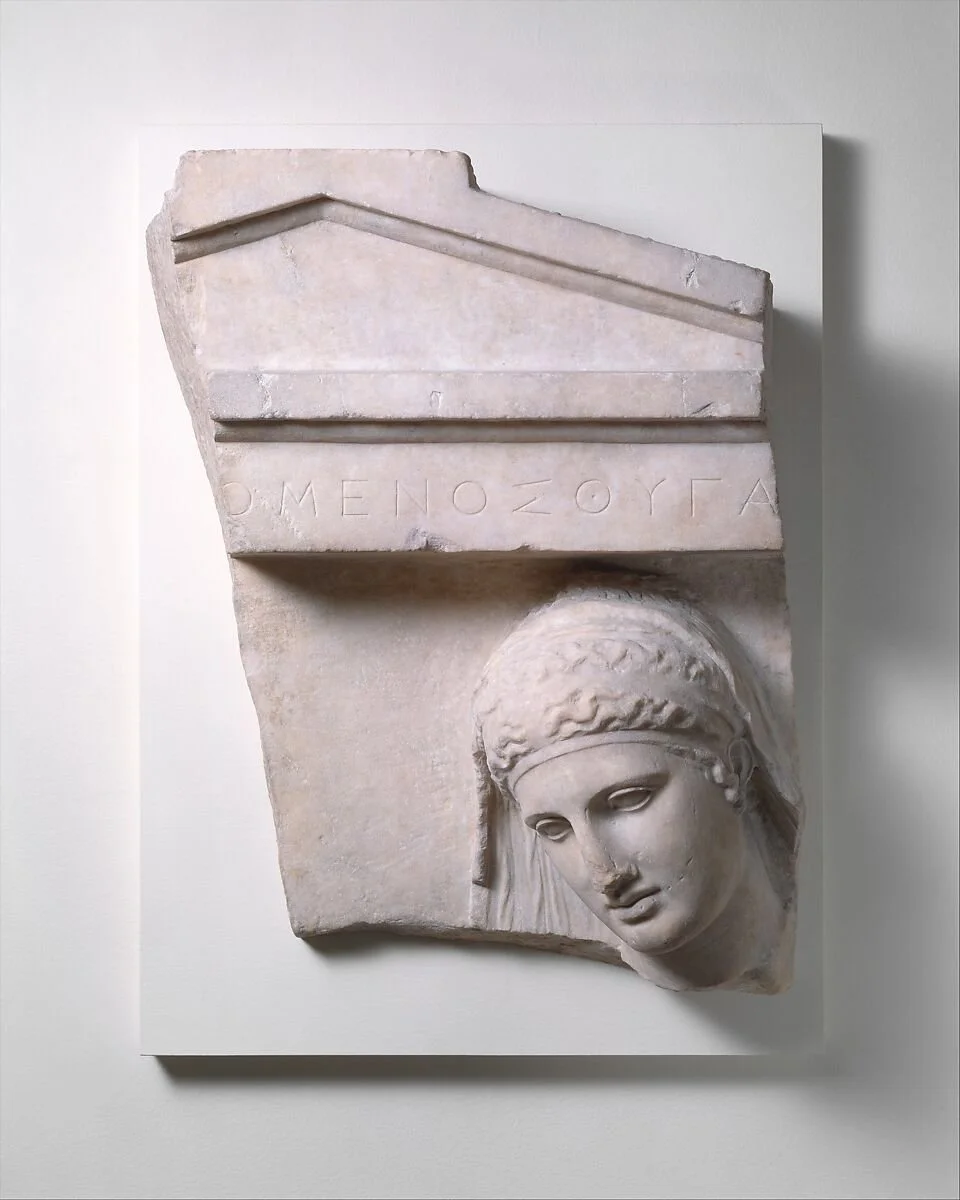
Fragment of a Marble Grave Stele of a Woman, Greek, Attic, ca. 400–390 BCE.
Music Therapy for Autistic Children: Attunement, Social Motivation, and Emotional Connection
A 2025 mixed-methods study found that improvisational music therapy may support social motivation, emotional connection, and developmental growth in young autistic children. The study highlights the role of therapist-child attunement in building engagement, communication, and parent-reported quality of life.
Article Overview
This 2025 embedded mixed-methods study explores how improvisational music therapy may support non-speaking and minimally speaking young autistic children through attunement, affect sharing, and relationship-based music making. Fifteen children participated in a year-long program, with researchers examining changes in social affect, developmental levels, parent quality of life, and the therapeutic processes described by parents and therapists.
The study found significant improvements in children’s social-affect scores and developmental levels, along with improved parent quality of life after the year-long improvisational music therapy program. A central finding was the importance of “musical-emotional attunement,” with higher attunement linked to stronger therapeutic relationships, greater social motivation, and better outcomes across child and parent measures.
Why This Matters
This article is especially valuable because it helps explain not only whether improvisational music therapy may be helpful for autistic children, but also how it may work. The authors describe attunement, interaffectivity, and therapist-child responsiveness as central to building trust, engagement, and social motivation in young autistic children.
For a public-facing music therapy library, this study is a strong fit because it highlights a child-led, relationship-based approach that many families and professionals want to understand more deeply. It also supports a strengths-based view of autism while showing how music therapy may contribute to social-emotional development, communication, and family well-being.
Kim, J., & Lee, J. (2025). Tuning in and sharing affects: Fostering social motivation in young autistic children in improvisational music therapy – an embedded mixed-methods study. The Arts in Psychotherapy, 95, 102334. https://doi.org/10.1016/j.aip.2025.102334
Read The Full Article
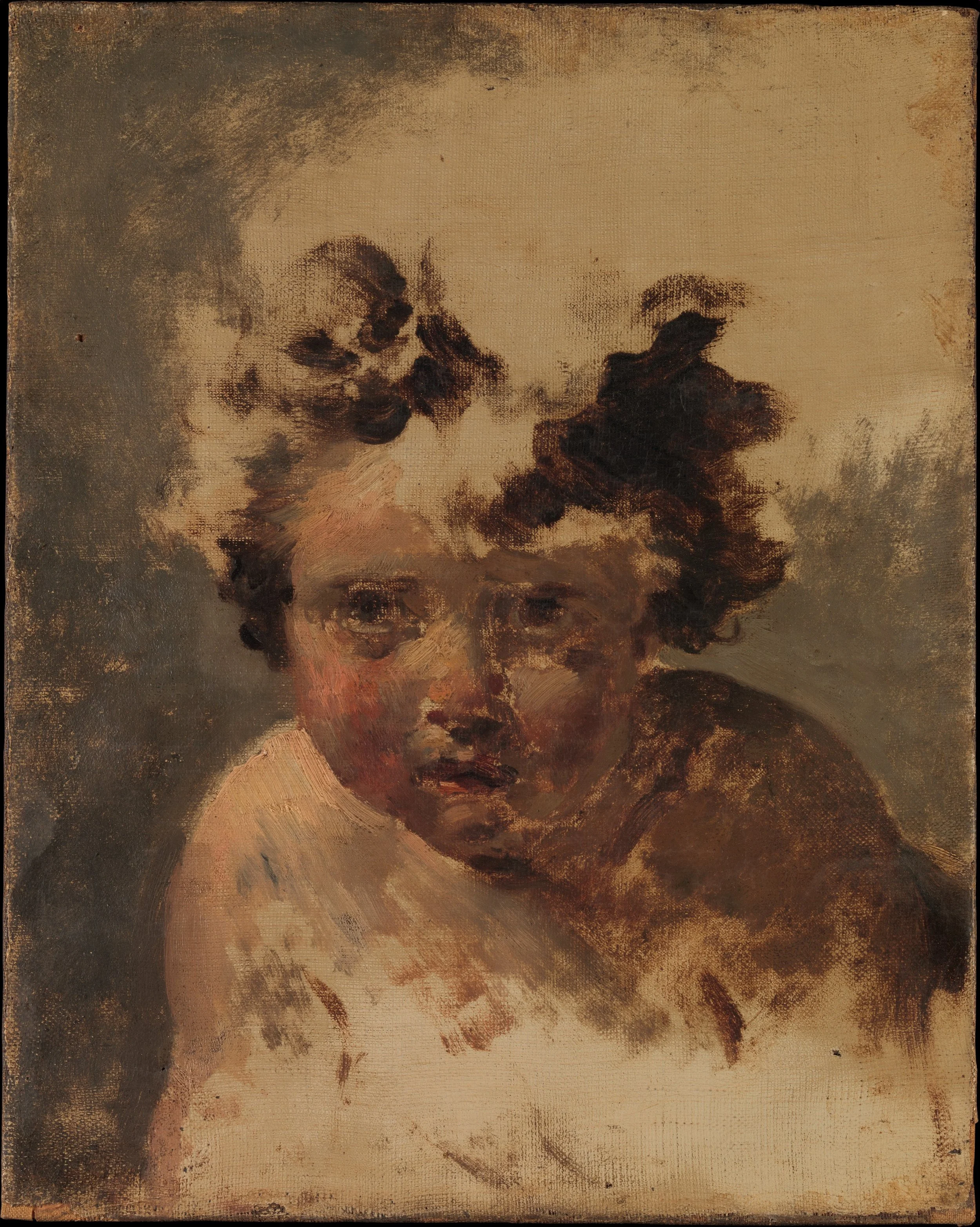
Head of a Child, Jacques Louis David
Music Therapy in Palliative Care: Meaning, Spiritual Well-Being, and Emotional Support
This randomized controlled trial examined a biographical music therapy intervention in palliative care built around a personally meaningful song. The findings suggest benefits for spiritual well-being, ego-integrity, distress reduction, and emotional meaning near the end of life.
Article Overview
Music therapy is increasingly being studied as a supportive intervention for people receiving palliative care, especially when emotional, existential, and spiritual needs become more urgent near the end of life. In this 2021 multicenter randomized controlled trial, researchers evaluated the “Song of Life” intervention, a brief biographical music therapy approach built around a personally meaningful song. The study included 104 patients receiving specialized palliative care and compared the music therapy intervention with a relaxation control.
The findings showed no significant differences in psychological or global quality of life, but patients in the Song of Life group reported higher spiritual well-being, higher ego-integrity, and lower distress than those in the control group. Patients and family members also rated the intervention as more meaningful and important, supporting the idea that biographical music therapy may help address emotional and existential concerns near the end of life.
Why This Matters
This article matters because it highlights a form of music therapy that is clearly rooted in the therapeutic relationship, personal biography, and meaning-making rather than passive music listening alone. The paper explains that music therapy in palliative care can support communication, spiritual experience, and the integration of life events, and that the Song of Life method combines life review with creative arts therapy in a brief format suited to end-of-life care.
It is also important because the study offers stronger evidence than many descriptive or exploratory papers in this area. As a multicenter randomized controlled trial, it gives your site library a credible research piece on music therapy in palliative care, spiritual well-being, distress reduction, and end-of-life support. At the same time, it should be framed accurately: the strongest effects were found in spiritual well-being, ego-integrity, distress, and treatment meaningfulness, not in overall quality of life.
Warth, M., Koehler, F., Brehmen, M., Weber, M., Bardenheuer, H. J., Ditzen, B., & Kessler, J. (2021). “Song of Life”: Results of a multicenter randomized trial on the effects of biographical music therapy in palliative care. Palliative Medicine, 35(6), 1126–1136. https://doi.org/10.1177/02692163211010394
Read The Full Article

Landscape with Stars, Henri-Edmond Cross, ca. 1905–1908
Music Therapy for Psychological Trauma: Emotion Regulation, Social Connection, and Recovery
A 2025 integrative review examines how music therapy may support trauma recovery through emotion regulation, social connection, nonverbal expression, and therapeutic safety. The article highlights growing evidence for music therapy in trauma-focused care, including PTSD-related treatment research.
Article Overview
This 2025 theoretical integrative review explores how music therapy may support people recovering from psychological trauma, including post-traumatic stress disorder (PTSD). The authors describe music therapy as a clinical, evidence-based practice that has been used across mental health settings to support emotion processing, affect regulation, and functioning, while also reviewing the growing trauma-focused literature in the field.
The review identified 19 empirical studies published since 2017 and found important advances in trauma-focused music therapy research, including increased use of randomized controlled trials, physiological measures, more detailed intervention descriptions, and the emergence of manualized treatments. The paper highlights recurring themes such as emotion regulation, social affiliation, nonverbal expression, agency, and therapeutic safety as possible mechanisms through which music therapy may help trauma survivors.
Why This Matters
This article matters because it helps explain not only that music therapy may support trauma recovery, but also how it may work. The review discusses music therapy as a potentially useful trauma-informed approach because it can support emotional regulation, embodied processing, nonverbal expression, and social connection, all of which are especially relevant for people living with trauma-related distress.
For a public-facing music therapy library, this is a valuable article because it shows that the field is growing in both theory and evidence. It also positions music therapy as a promising complement to mainstream mental health care, while honestly acknowledging that the field still needs more comparative studies, streamlined interventions, and stronger replication.
Williams, J., & Sidis, A. E. (2025). Music therapy for psychological trauma: A theoretical integrative review. The Arts in Psychotherapy, 96, 102369. https://doi.org/10.1016/j.aip.2025.102369
Read The Full Article

Landscape, Albert Pinkham Ryder, 1897–98 (?)
Music Therapy Choir for Dementia: Anxiety, Depression, and Connection in Community Care
Can a therapeutic choir support people living with dementia and their caregivers? This randomized controlled trial explores how community-based music therapy may help reduce anxiety and depression while fostering connection, participation, and shared musical experiences.
Article Overview
This randomized controlled trial examined whether participation in a therapeutic choir could support people living with dementia and their primary caregivers in community settings. The Remini-Sing intervention was designed to explore outcomes related to relationship quality, quality of life, depression, social connectedness, caregiver burden, and anxiety in dementia-caregiver dyads.
Choir sessions included vocal warm-ups, familiar songs chosen by participants, simple part singing, and social time over refreshments. Although the study was underpowered because recruitment and retention fell short of the original target, the choir group showed encouraging reductions in depression and anxiety for people with dementia, with medium to large effect sizes that suggest therapeutic choir participation may be promising for future research.
Why This Matters
Dementia affects not only memory and cognition, but also mood, social connection, and the wellbeing of family caregivers. This article matters because it studies a community-based music therapy approach that is accessible, relational, and enjoyable for both people with dementia and those who care for them. It also highlights how shared music experiences may support meaningful interaction and emotional wellbeing outside of institutional care settings.
Just as importantly, the article is transparent about its limitations. The trial did not find statistically significant effects, largely because the final sample was much smaller than planned, but it still offers a useful and honest picture of what therapeutic choir participation may be able to support. For readers, families, and clinicians, it shows that music therapy research in dementia care is moving toward real-world, community-based interventions that prioritize connection as well as clinical outcomes.
Tamplin, J., Thompson, Z., Clark, I. N., Teggelove, K., & Baker, F. A. (2024). Remini-Sing RCT: Therapeutic choir participation for community-dwelling people with dementia and their primary caregivers. Journal of Music Therapy, 61(3), 263–287. https://doi.org/10.1093/jmt/thae008
Read The Full Article

Music Therapy for Surgery Recovery: Pain Relief, Anxiety Support, and Recovery
A 2025 randomized controlled trial found that live and therapist-designed recorded music therapy both helped reduce pain and anxiety in adults undergoing shoulder replacement surgery. The study highlights music therapy as a practical, evidence-based support in perioperative care.
Article Overview
This 2025 randomized controlled trial examined whether music therapy could help reduce pain and anxiety in adults undergoing total shoulder arthroplasty, also known as shoulder replacement surgery. Patients were assigned to live music therapy, therapist-designed recorded music therapy, or standard care without music therapy. The study defined music therapy as music-based interventions provided by a board-certified music therapist.
Researchers found that both live and recorded music therapy were associated with significantly greater reductions in pain and anxiety than standard care alone. There were no significant differences between the live and recorded music therapy groups overall, suggesting that therapist-designed recorded interventions may also be a practical option in medical settings. The study did not find significant differences in opioid use across groups.
Why This Matters
This article is a strong fit for a public-facing music therapy library because it shows music therapy being used in a real medical setting for concrete clinical goals: reducing perioperative pain and anxiety. It also helps clarify that music therapy is not simply background music, but a structured, evidence-based intervention designed by trained music therapists.
It is also useful because the findings are practical and credible. If therapist-designed recorded music therapy can support outcomes similarly to live delivery in this context, hospitals and surgical teams may have more flexible ways to integrate music therapy into patient care. At the same time, the study stays appropriately cautious by noting limits such as its nonblinded design and single-site sample.
Armstrong, A. D., Starr, D. J., Sweet, M. D., Barillas, B., Chamberlin, A., Fioravanti, T., Napoli, C., Pahomov, E., George, S. Z., Schwab, S. M., & Weed, J. T. (2026). Live versus recorded music therapy intervention in shoulder arthroplasty. JSES International, 10, 101438. https://doi.org/10.1016/j.jseint.2025.101438
Read The Full Article

A Bouquet of Flowers, Clara Peeters, ca. 1612
Music Therapy for Children in Special Education: Communication, Connection, and Classroom Engagement
A pilot study examining classroom music therapy found that structured music sessions can support communication development for children with autism and other developmental disabilities. Students who participated in longer-term music therapy showed increased verbal responsiveness and engagement during classroom activities.
Article Overview
This pilot study explored whether a classroom-based music therapy program could help improve communication for children with developmental disabilities, including autism, in special education settings. Researchers examined the Voices Together model, a structured intervention that uses interactive songs, vocal prompting, and group participation to encourage verbal responses and social engagement during music therapy sessions.
Children took part in weekly 45-minute sessions led by a trained music therapist, with one group receiving the program for 15 weeks and another for 7 weeks. The study found that children in the longer-term group showed stronger gains in verbal responsiveness during the sessions, while the shorter-term group showed improvement that was not statistically significant. Although teacher rating scales did not show broad changes across classroom behavior, direct observations suggested that classroom music therapy may support communication development over time.
Why This Matters
Children in special education settings often need support with communication, social interaction, and classroom participation. Music therapy can offer a structured and engaging way to practice these skills, especially for children who may respond well to rhythm, repetition, and musical interaction. This makes classroom-based music therapy especially relevant for schools looking for supportive, relationship-based interventions.
This study also matters because it looks at music therapy in a real educational setting, not just in a clinic or one-to-one session. For educators, therapists, and families, that helps show how music therapy can fit into everyday school life and support children where they already learn and interact. Even though the findings are preliminary, the study adds to the growing evidence that music therapy can play a meaningful role in special education.
Mendelson, J., White, Y., Hans, L., Adebari, R., Schmid, L., Riggsbee, J., Goldsmith, A., Ozler, B., Buehne, K., Jones, S., Shapleton, J., & Dawson, G. (2016). A preliminary investigation of a specialized music therapy model for children with disabilities delivered in a classroom setting. Autism Research and Treatment, 2016, Article 1284790. https://doi.org/10.1155/2016/1284790
Read The Full Article
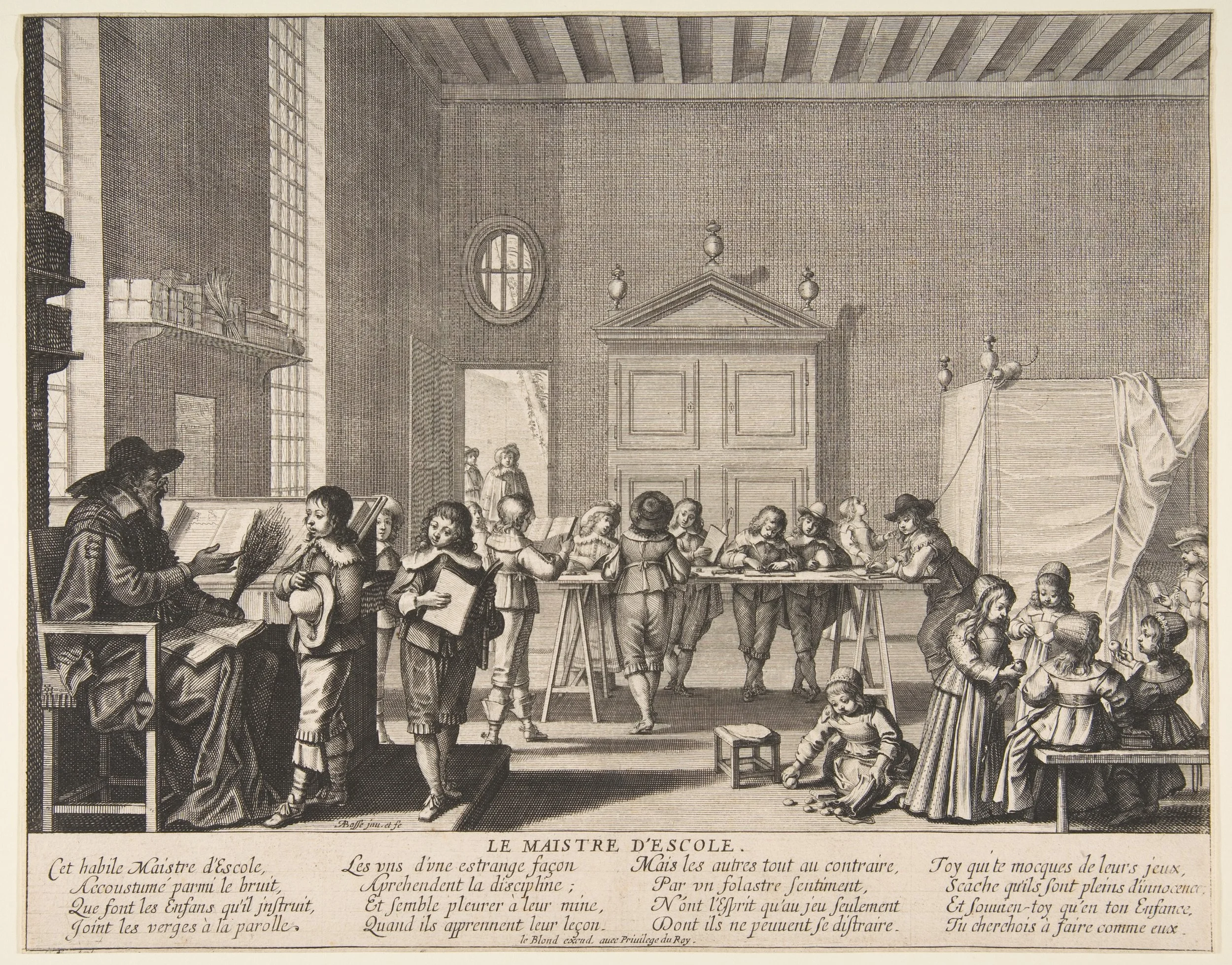
The School Master, Abraham Bosse, ca. 1635–1638.
Music Therapy for Women Living with Depression: Daily Functioning, Emotion Regulation, and Quality of Life
A 2025 randomized controlled trial found that group music therapy for women with major depressive disorder supported improvements in daily-life depressive symptoms, emotion regulation, and quality of life. While primary depression outcomes were mixed, the study offers promising evidence for music therapy as a meaningful short-term mental health support.
Article Overview
This 2025 study explored whether group music therapy could support women living with major depressive disorder. In a randomized controlled trial published in the Journal of Affective Disorders, 102 women were assigned either to group music therapy or to a waitlist control condition. Researchers measured depressive symptoms through observer ratings, self-reports, and everyday-life assessments, while also examining emotion regulation and quality of life.
The findings were nuanced but meaningful. While observer-rated and self-reported depression scores improved without reaching statistical significance, the music therapy group showed statistically significant benefits in depressive symptoms experienced in daily life, along with improvements in quality of life and emotion regulation strategies. The study also found that these benefits were stronger immediately after treatment than at longer-term follow-up.
Why This Matters
This article is valuable because it presents music therapy as a clinically relevant, evidence-based intervention for depression while avoiding overstated claims. Instead of suggesting a simple cure, the study shows that group music therapy may offer meaningful short-term support in daily functioning, emotional coping, and overall well-being for women with depression.
For a public-facing music therapy library, this kind of research builds trust. It comes from a peer-reviewed journal, uses an RCT design, and highlights measurable outcomes that matter to clients, families, and referral sources. It is especially useful for showing how music therapy can support mental health in practical, lived ways beyond symptom scores alone.
Gaebel, C., Stoffel, M., Aguilar-Raab, C., Jarczok, M. N., Rittner, S., Ditzen, B., & Warth, M. (2025). Effects of group music therapy on depressive symptoms in women – The MUSED-study: Results from a randomized-controlled trial. Journal of Affective Disorders, 374, 1–10. https://doi.org/10.1016/j.jad.2025.01.011
Read The Full Article
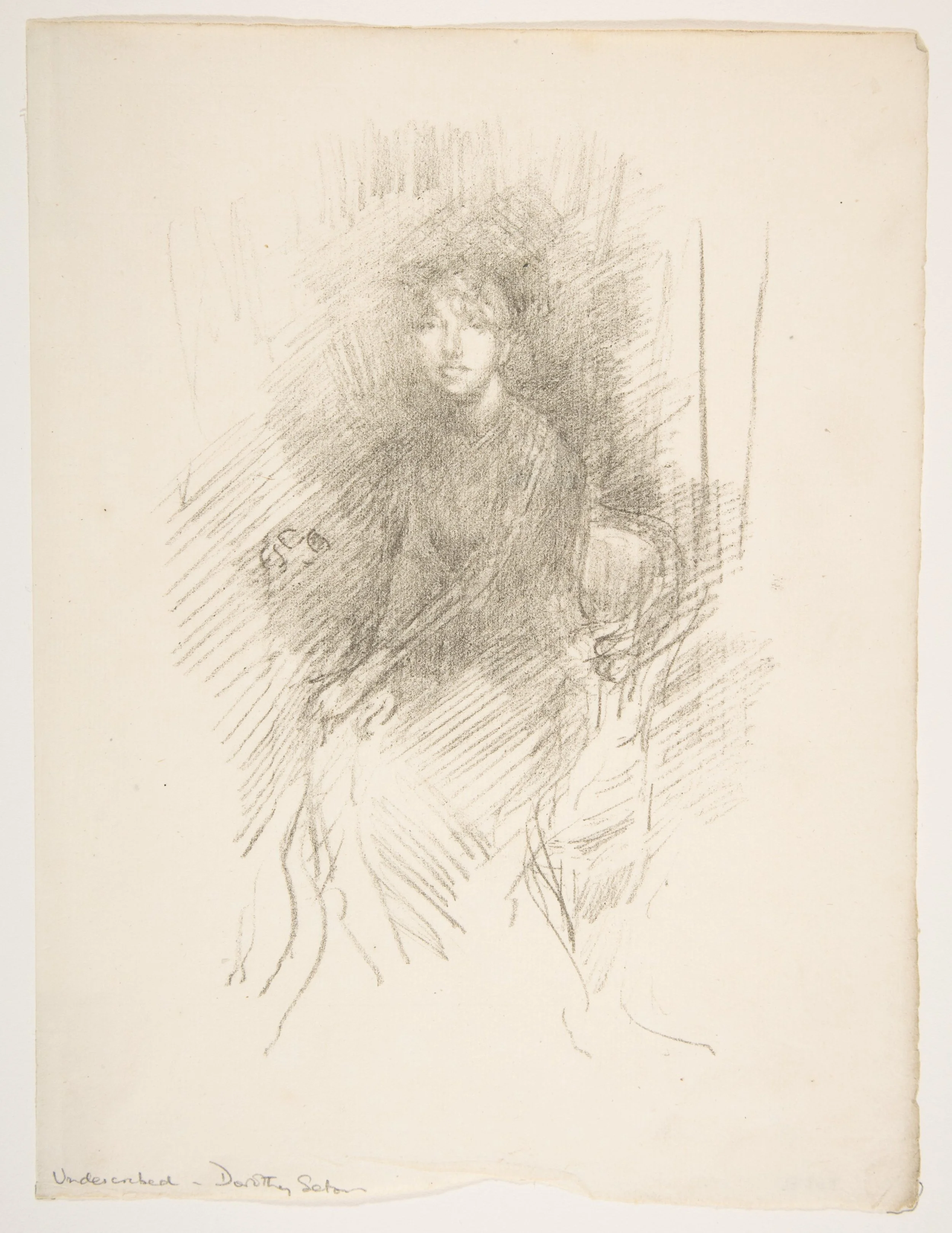
Portrait of a Young Woman (Miss Seaton) (Dorothy Seaton), James McNeill Whistler, 1897
Music Therapy for Grieving Youth: Trauma, Bereavement, and Healing
How can music therapy support grieving children and adolescents when trauma is also part of the picture? This article explores trauma, bereavement, and healing in youth, offering a thoughtful framework for culturally responsive music therapy support through grief and loss.
Article Overview
This article explores how trauma and grief can overlap in the lives of children and adolescents after the death of a loved one, and how music therapy can support young people through bereavement in thoughtful, culturally responsive ways. Rather than treating grief and trauma as separate experiences, the paper shows how they often intersect and shape emotional expression, coping, identity, relationships, and healing.
The author presents theoretical models and clinical reflections that encourage music therapists to use culturally grounded, resource-oriented, and multisystemic approaches when supporting bereaved youth. The article also highlights the importance of considering interpersonal trauma, systemic oppression, collective trauma, and intergenerational trauma when designing meaningful music therapy support.
Why This Matters
Young people experiencing loss may also be carrying trauma histories, family stress, social inequities, or disrupted support systems. This article matters because it moves beyond a one-size-fits-all understanding of grief and encourages more inclusive, trauma-informed, and socially aware music therapy practice.
For readers, clinicians, and families, the article offers a deeper understanding of why bereavement support should be sensitive to culture, context, and lived experience. It also reinforces that music therapists across settings should be prepared to support youth navigating trauma and loss, and that this knowledge should be part of professional training.
Myers-Coffman, K. (2024). Intersections of trauma and grief: Navigating multilayered terrain in music therapy to support youth through bereavement. The Arts in Psychotherapy, 89, 102166. https://doi.org/10.1016/j.aip.2024.102166
Read The Full Article

Landscape with rising sun, December 1, 1828, 8:30 a.m., Joseph Michael Gandy, 1828
Music Therapy Songwriting for Veterans: Expression, Recovery, and Emotional Support
This qualitative music therapy study examined songs written by active-duty service members during rehabilitation for PTSD, TBI, and related mental health challenges. The findings suggest that songwriting may support emotional expression, communication, identity exploration, and recovery in military settings.
Article Overview
Songwriting in music therapy is increasingly being explored as a meaningful way to support emotional expression, identity work, and communication in military rehabilitation. In this 2019 retrospective qualitative analysis, researchers examined 14 songs written by 11 active-duty service members during music therapy treatment at the National Intrepid Center of Excellence at Walter Reed. Songs were created across 2–3 individual sessions facilitated by a board-certified music therapist and reflected the experiences of service members coping with PTSD, depression, anxiety, TBI, and difficult recovery and reintegration processes.
The analysis found that songwriting gave service members a way to express fears, hopes, emotional pain, and the challenges of homecoming and rehabilitation. The authors describe songwriting as a reflective medium through which participants could communicate thoughts and feelings, explore difficult internal experiences, and share parts of their story with family, peers, and providers. Rather than testing symptom reduction in a controlled trial, the study offers qualitative insight into how music therapy songwriting may support emotional expression, reflection, and psychotherapeutic processing in military populations.
Why This Matters
This article matters because it highlights a side of music therapy research that is deeply human and clinically meaningful, even when it is not measured through symptom scores alone. For service members recovering from trauma, TBI, depression, anxiety, and difficult re-entry experiences, songwriting may offer a way to express emotions, communicate struggles, and explore identity in a form that can feel less threatening than direct conversation. The paper also suggests that songwriting may help lower resistance to emotional exploration through musical structure and metaphor, while supporting communication and self-understanding.
It is also valuable because the study shows how songs can become a bridge between inner experience and interpersonal connection. The authors note that the songs enabled service members to share thoughts, emotions, fears, and hopes with family, friends, and providers, sometimes for the first time, and describe songwriting as an important stepping stone in psychotherapeutic processing. For a site library, this makes the article especially useful for themes like music therapy for veterans, PTSD support, songwriting in therapy, identity and recovery, and emotional expression through music.
Bradt, J., Norris, M., Shim, M., Gracely, E. J., & Gerrity, P. (2019). Vocal warriors: A retrospective qualitative analysis of songwriting in music therapy during military service members’ rehabilitation. The Arts in Psychotherapy, 62, 19–27.
Read The Full Article

The Veteran in a New Field, Winslow Homer, 1865
Music Therapy and Nature: Therapist Perspectives, Connection, and Well-Being
In this 2025 cross-sectional survey, music therapists shared their opinions and experiences with nature-assisted music therapy, outdoor settings, and nature sounds in practice. The findings highlight perceived potential for connection and well-being, along with practical concerns that may shape implementation.
Article Overview
Nature-based approaches are gaining interest within music therapy as clinicians explore how outdoor settings, nature sounds, and nature-connecting methods may support therapeutic work. In this 2025 cross-sectional survey, researchers examined the opinions and experiences of music therapists in Germany and Austria regarding the integration of nature into music therapy practice.
The findings suggest that many therapists saw strong potential in nature-based music therapy, even though most reported limited direct experience using it in practice. Respondents also identified possible benefits such as enhanced therapeutic insight and positive effects of nature sounds on client well-being, while noting concerns related to distraction and confidentiality.
Why This Matters
This article matters because it highlights an emerging area of music therapy practice while staying grounded in what the study actually examined. Rather than testing client outcomes directly, the survey captures how music therapists are thinking about nature-assisted music therapy, outdoor music therapy, and the role of therapeutic environment in supporting connection, reflection, and well-being.
It is also useful because it points to a growing interest in how music therapy may extend beyond traditional indoor settings. For readers interested in wellness, mindful listening, nature sounds, and creative approaches to care, this article offers insight into where the field may be headed and what practical factors still need to be considered.
Pfeifer, E., Aigner, S. E., Stolterfoth, C., Dale, R., Ostermann, T., Probst, T., & Humer, E. (2025). Music therapists’ perspectives on nature-connecting methods and the integration of nature in music therapy: Results of a survey among German and Austrian music therapists. The Arts in Psychotherapy, 92, 102252. https://doi.org/10.1016/j.aip.2025.102252
Read The Full Article
An Orange-Headed Ground Thrush and a Death’s-Head Moth on a Purple Ebony Orchid Branch, Shaikh Zain al-Din, 1778.
Clinicians’ Views of Music Therapy: Emotional Support, Communication, and Quality of Life
A 2024 qualitative study in the Journal of Pediatric Nursing explores clinicians’ views of music therapy for hospitalized children and adolescents. The findings suggest that music therapy may support emotional support, communication, coping, and quality of life in pediatric hospital care.
Article Overview
This 2024 qualitative study explores clinicians’ views of music therapy for hospitalized children and adolescents. Published in the Journal of Pediatric Nursing, the study used two focus groups with 18 healthcare professionals after an interactive music therapy session to examine how clinicians perceived the role of music therapy in pediatric hospital care.
Clinicians described music therapy as supportive of emotional support, communication, coping, and quality of life for children and adolescents in the hospital. They also identified benefits related to emotional expression, family support, and the overall care experience, suggesting that music therapy may contribute to more relational and holistic pediatric care.
Why This Matters
This article matters because it shows how clinicians in pediatric hospital settings view music therapy as part of patient care. While the study does not measure clinical outcomes directly, it offers valuable insight into how music therapy is recognized by professionals working with hospitalized children and adolescents every day.
For a public-facing music therapy library, this article helps explain that music therapy in hospitals is not simply entertainment. According to clinicians in the study, music therapy may support emotional support, communication, coping, and quality of life in pediatric care. That makes it a strong supporting article for families, hospitals, and referral sources interested in child and adolescent music therapy.
Barrio, M., Moreno-Mulet, C., Romero-García, M., & Ríos-Risquez, M. I. (2024). Healthcare professionals’ perceptions towards music therapy for hospitalized children and adolescents: A qualitative study. Journal of Pediatric Nursing, 79, e191–e198. https://doi.org/10.1016/j.pedn.2024.07.022
Read The Full Article
Woman and Child, Kate Greenaway, 1883
Music Therapy for Parkinson’s Disease: Gait, Speech, and Personalized Care
This 2025 mini review explores how music therapy may support gait, speech, and psychosocial well-being in Parkinson’s disease while also considering emerging ideas in precision medicine and personalized care. The article highlights promising directions but also notes the need for stronger clinical validation of music therapy protocols.
Article Overview
Music therapy is increasingly being discussed as part of a broader, patient-centered approach to Parkinson’s disease care. In this 2025 mini review, the authors examine how music therapy may fit alongside emerging precision medicine strategies in Parkinson’s treatment. Rather than reporting new clinical trial data or conducting a systematic evidence synthesis, the article offers a concise overview of existing research on music-based interventions, genetic profiling, and personalized care approaches in Parkinson’s disease.
The review highlights music therapy approaches such as rhythmic auditory stimulation for gait and group singing for speech and psychosocial well-being, while also discussing future-facing topics like wearable sensors, adaptive AI platforms, and individualized treatment planning. At the same time, the authors are transparent about limitations: they note the need for more rigorous clinical validation for music therapy protocols, along with larger longitudinal studies and better-integrated treatment models.
Why This Matters
This article matters because Parkinson’s disease affects far more than movement alone. It can also shape speech, emotional well-being, daily functioning, and quality of life. This mini review is useful for readers interested in how music therapy may support areas such as gait, speech, neurorehabilitation, and psychosocial well-being within a more personalized care framework. The abstract specifically notes reported benefits such as 15–20% improvements in gait parameters with rhythmic auditory stimulation and benefits from group singing for speech function and psychosocial well-being.
It is also important to frame the article accurately. This is a mini review, which means it provides a selective overview and conceptual discussion rather than the stronger evidence base you would expect from a systematic review, meta-analysis, or randomized controlled trial. For that reason, it is best used in a site library as a supporting article that highlights promising directions and emerging ideas, not as definitive proof of effectiveness. The authors themselves note that music therapy protocols still require more rigorous clinical validation.
Li-Hua, P., Jallow, L., Tan, Y., & Bajinka, O. (2025). Precision medicine and music therapy for Parkinson’s disease. Clinical Parkinsonism & Related Disorders, 13, 100382. https://doi.org/10.1016/j.prdoa.2025.100382
Read The Full Article
Two Girls with Parasols, John Singer Sargent, 1888 or 1889
Music Therapy in the ICU: Comfort, Connection, and the Human Side of Recovery
Music therapy in the ICU may support comfort, relaxation, emotional connection, and recovery for critically ill patients. This Revival Jam article explores a 2025 qualitative study on how music therapy may help humanize critical care, reduce stress, and support coping during hospitalization.
Article Overview
Music therapy is increasingly being explored in hospital and critical care settings as a supportive, patient-centered intervention. In this 2025 qualitative study, researchers examined how patients in a critical care unit experienced a 20-minute music therapy session led by a qualified music therapist. The study included 14 patients and focused on their perceptions of how music therapy influenced stress, illness, and recovery.
Three major themes emerged from the study: humanizing and accompanying the critical care experience, music therapy as a form of relaxation, and relief and recovery through music therapy. Patients described music therapy as comforting, emotionally connecting, and helpful in reducing stress, anxiety, pain, and feelings of isolation during ICU care.
Why This Matters
Critical care can be overwhelming, disorienting, and emotionally intense. This study matters because it shows that music therapy may support more than symptom relief. It may also help humanize care, create emotional connection, and offer patients a sense of comfort and identity in a highly medicalized environment.
For patients, families, nurses, and healthcare teams, this article highlights music therapy as a non-pharmacological approach that may support relaxation, coping, and emotional recovery in the ICU. The study also emphasizes the role of interdisciplinary care and suggests that personalized music therapy can become a meaningful part of critical care practice.
Saldaña-Ortiz, V., Recio-Rivas, A., Mansilla-Domínguez, J. M., & Martínez-Miguel, E. (2025). Impact of music therapy on patients in the critical care unit: A qualitative study. Nursing in Critical Care, 30, e70099. https://doi.org/10.1111/nicc.70099
Read The Full Article
The Duet, James McNeill Whistler, 1894.
Music Therapy for Chronic Pain: Relief, Resonance, and Emotional Well-Being
Music therapy for chronic pain may help reduce pain and depression, according to a 2025 systematic review and meta-analysis. This Revival Jam research overview explores what the evidence says about music therapy, pain relief, emotional well-being, and the role of non-drug supportive care for people living with chronic pain.
Article Overview
Music therapy is increasingly being explored as a supportive treatment for people living with chronic pain. In this 2025 systematic review and meta-analysis, researchers examined randomized controlled trials to evaluate whether music therapy could improve chronic pain, anxiety, depression, and quality of life. The review included 9 trials with a total of 787 patients.
The findings suggest that music therapy may help reduce chronic pain and depression, but the evidence was not strong for anxiety or quality of life improvement. The authors also found that outcomes varied depending on the setting, pain type, intervention format, and how the music was delivered.
Why This Matters
Chronic pain can affect daily functioning, mood, relationships, and overall quality of life. This review matters because it highlights music therapy as a non-pharmacological approach that may help reduce pain and depression in some chronic pain populations, especially at a time when clinicians and patients are looking for alternatives or complements to medication-based care.
For patients, families, and healthcare professionals, this review offers a helpful evidence-based look at where music therapy may be most useful. It also reinforces that music therapy is not a one-size-fits-all intervention. Factors like pain type, setting, patient music choice, and provider training may all influence outcomes.
Chen, S., Yuan, Q., Wang, C., Ye, J., & Yang, L. (2025). The effect of music therapy for patients with chronic pain: Systematic review and meta-analysis. BMC Psychology, 13, 455. https://doi.org/10.1186/s40359-025-02643-x
Read The Full Article

Cotton Tree Flowers, ca. 1800–1805.