
Music Therapy Resources
Explore free and open-access music therapy research, article summaries, and educational resources curated by Revival Jam. Search the library below for topics spanning autism, depression, anxiety, quality of life, dementia, and more.
Music Therapy for Grieving Youth: Trauma, Bereavement, and Healing
How can music therapy support grieving children and adolescents when trauma is also part of the picture? This article explores trauma, bereavement, and healing in youth, offering a thoughtful framework for culturally responsive music therapy support through grief and loss.
Article Overview
This article explores how trauma and grief can overlap in the lives of children and adolescents after the death of a loved one, and how music therapy can support young people through bereavement in thoughtful, culturally responsive ways. Rather than treating grief and trauma as separate experiences, the paper shows how they often intersect and shape emotional expression, coping, identity, relationships, and healing.
The author presents theoretical models and clinical reflections that encourage music therapists to use culturally grounded, resource-oriented, and multisystemic approaches when supporting bereaved youth. The article also highlights the importance of considering interpersonal trauma, systemic oppression, collective trauma, and intergenerational trauma when designing meaningful music therapy support.
Why This Matters
Young people experiencing loss may also be carrying trauma histories, family stress, social inequities, or disrupted support systems. This article matters because it moves beyond a one-size-fits-all understanding of grief and encourages more inclusive, trauma-informed, and socially aware music therapy practice.
For readers, clinicians, and families, the article offers a deeper understanding of why bereavement support should be sensitive to culture, context, and lived experience. It also reinforces that music therapists across settings should be prepared to support youth navigating trauma and loss, and that this knowledge should be part of professional training.
Myers-Coffman, K. (2024). Intersections of trauma and grief: Navigating multilayered terrain in music therapy to support youth through bereavement. The Arts in Psychotherapy, 89, 102166. https://doi.org/10.1016/j.aip.2024.102166
Read The Full Article
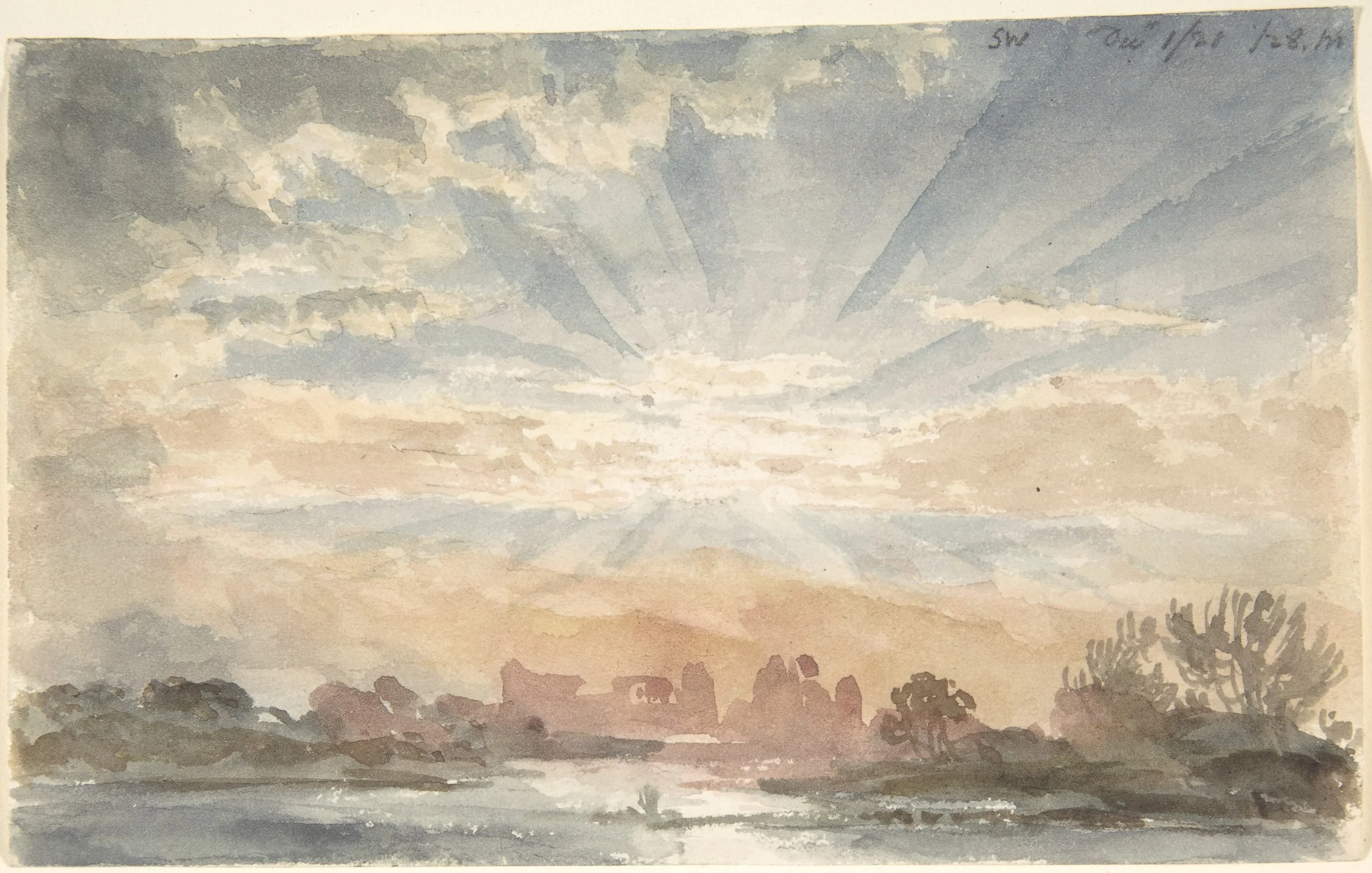
Landscape with rising sun, December 1, 1828, 8:30 a.m., Joseph Michael Gandy, 1828
Clinicians’ Views of Music Therapy: Emotional Support, Communication, and Quality of Life
A 2024 qualitative study in the Journal of Pediatric Nursing explores clinicians’ views of music therapy for hospitalized children and adolescents. The findings suggest that music therapy may support emotional support, communication, coping, and quality of life in pediatric hospital care.
Article Overview
This 2024 qualitative study explores clinicians’ views of music therapy for hospitalized children and adolescents. Published in the Journal of Pediatric Nursing, the study used two focus groups with 18 healthcare professionals after an interactive music therapy session to examine how clinicians perceived the role of music therapy in pediatric hospital care.
Clinicians described music therapy as supportive of emotional support, communication, coping, and quality of life for children and adolescents in the hospital. They also identified benefits related to emotional expression, family support, and the overall care experience, suggesting that music therapy may contribute to more relational and holistic pediatric care.
Why This Matters
This article matters because it shows how clinicians in pediatric hospital settings view music therapy as part of patient care. While the study does not measure clinical outcomes directly, it offers valuable insight into how music therapy is recognized by professionals working with hospitalized children and adolescents every day.
For a public-facing music therapy library, this article helps explain that music therapy in hospitals is not simply entertainment. According to clinicians in the study, music therapy may support emotional support, communication, coping, and quality of life in pediatric care. That makes it a strong supporting article for families, hospitals, and referral sources interested in child and adolescent music therapy.
Barrio, M., Moreno-Mulet, C., Romero-García, M., & Ríos-Risquez, M. I. (2024). Healthcare professionals’ perceptions towards music therapy for hospitalized children and adolescents: A qualitative study. Journal of Pediatric Nursing, 79, e191–e198. https://doi.org/10.1016/j.pedn.2024.07.022
Read The Full Article
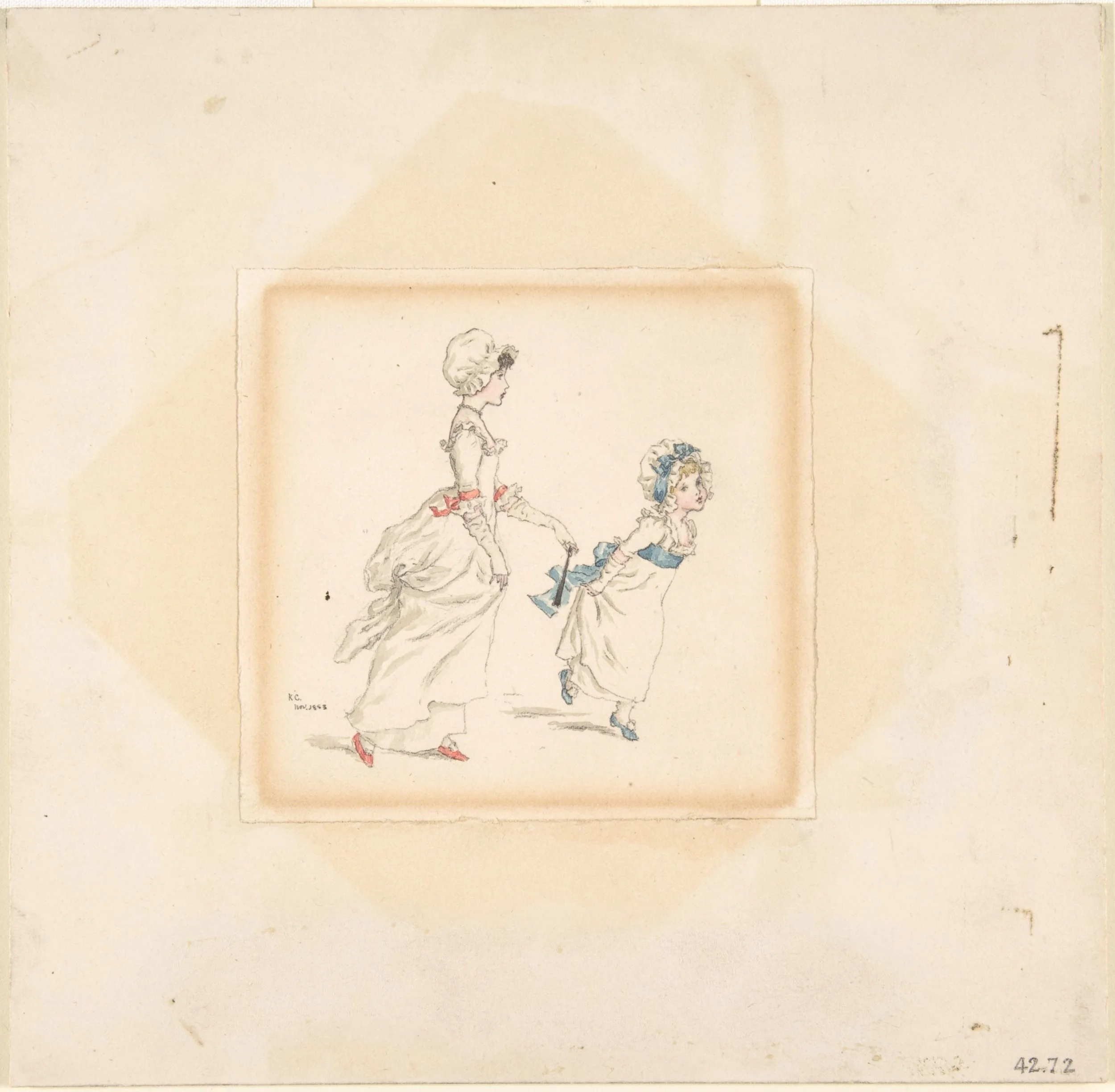
Woman and Child, Kate Greenaway, 1883
Music Therapy for Autism Spectrum Disorder: Social Interaction, Communication, and Connection
Music therapy for autism may support social interaction, verbal and nonverbal communication, initiating behavior, and social-emotional reciprocity in children with autism spectrum disorder. This research overview from Revival Jam highlights what a major Cochrane review found and why it matters for families, educators, and clinicians.
Article Overview
Music therapy uses musical experiences and the relationships that develop through them to support communication, expression, and connection. In this Cochrane systematic review, researchers examined the effects of music therapy for children with autism spectrum disorder, with a focus on social interaction, verbal and non-verbal communication, initiating behavior, and emotional reciprocity.
The review suggests that music therapy may help improve social interaction, verbal communication, initiating behavior, and social-emotional reciprocity. The authors also describe possible benefits in areas such as social adaptation, joy, and the quality of parent-child relationships, while noting that more research is still needed.
Why This Matters
Autism support often involves more than reducing challenges. It also includes creating opportunities for connection, expression, relationship-building, and meaningful engagement. This review is important because it highlights music therapy as a relational and interactive approach that may support communication and social development in ways that feel motivating and accessible.
For families, educators, and clinicians, this review offers a helpful overview of how music therapy may support children with autism in areas that matter deeply in daily life. It also reinforces the idea that music therapy is not simply passive listening, but a trained, relationship-based process that can support growth in communication and social connection.
Geretsegger, M., Elefant, C., Mössler, K. A., & Gold, C. (2014). Music therapy for people with autism spectrum disorder. Cochrane Database of Systematic Reviews, 2014(6), CD004381. https://doi.org/10.1002/14651858.CD004381.pub3
Read The Full Article
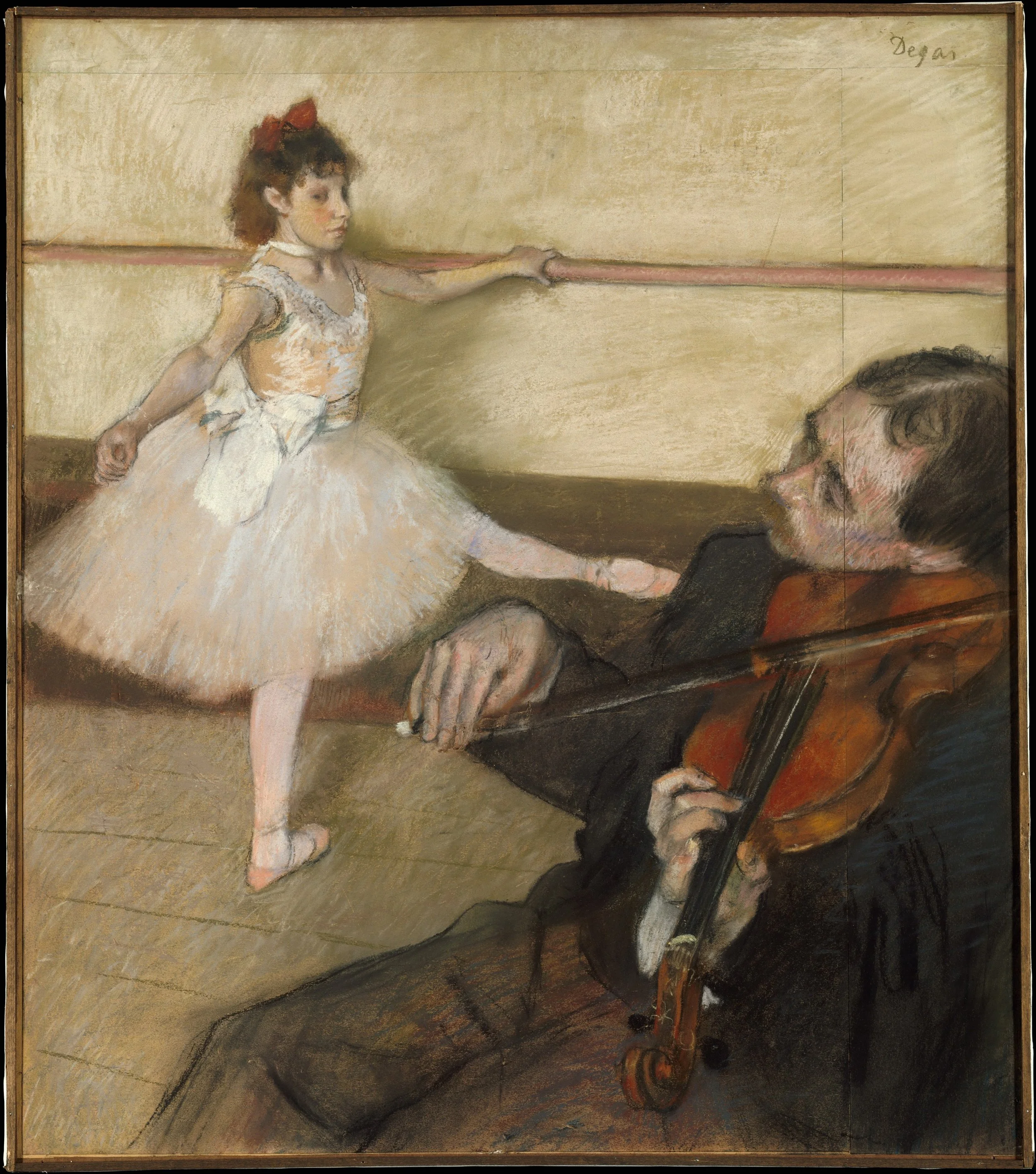
The Dance Lesson, Edgar Degas, ca. 1879.