

Music Therapy and Nature: Therapist Perspectives, Connection, and Well-Being
Article Overview
Nature-based approaches are gaining interest within music therapy as clinicians explore how outdoor settings, nature sounds, and nature-connecting methods may support therapeutic work. In this 2025 cross-sectional survey, researchers examined the opinions and experiences of music therapists in Germany and Austria regarding the integration of nature into music therapy practice.
The findings suggest that many therapists saw strong potential in nature-based music therapy, even though most reported limited direct experience using it in practice. Respondents also identified possible benefits such as enhanced therapeutic insight and positive effects of nature sounds on client well-being, while noting concerns related to distraction and confidentiality.
Why This Matters
This article matters because it highlights an emerging area of music therapy practice while staying grounded in what the study actually examined. Rather than testing client outcomes directly, the survey captures how music therapists are thinking about nature-assisted music therapy, outdoor music therapy, and the role of therapeutic environment in supporting connection, reflection, and well-being.
It is also useful because it points to a growing interest in how music therapy may extend beyond traditional indoor settings. For readers interested in wellness, mindful listening, nature sounds, and creative approaches to care, this article offers insight into where the field may be headed and what practical factors still need to be considered.
Pfeifer, E., Aigner, S. E., Stolterfoth, C., Dale, R., Ostermann, T., Probst, T., & Humer, E. (2025). Music therapists’ perspectives on nature-connecting methods and the integration of nature in music therapy: Results of a survey among German and Austrian music therapists. The Arts in Psychotherapy, 92, 102252. https://doi.org/10.1016/j.aip.2025.102252
Read The Full Article
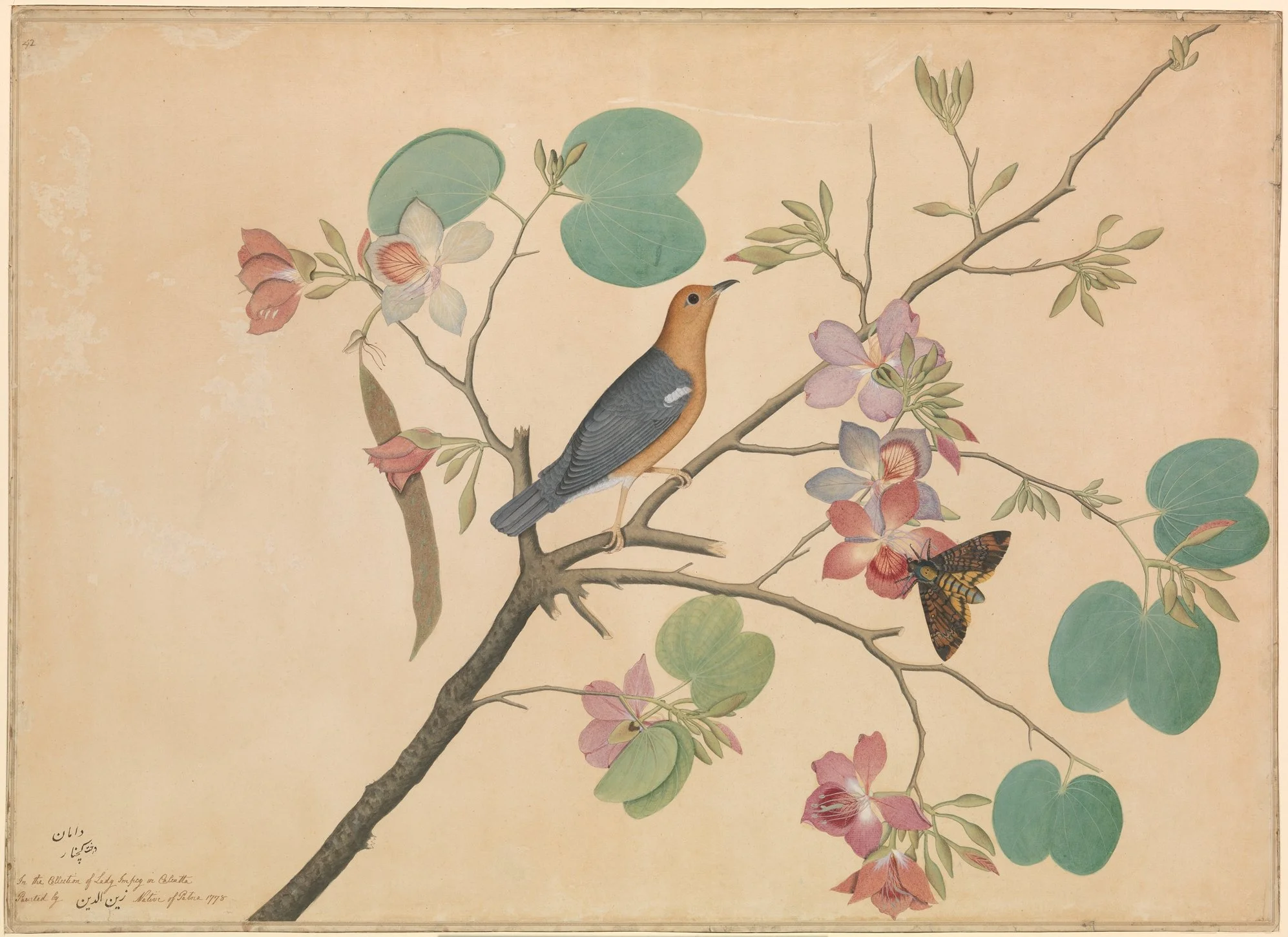
An Orange-Headed Ground Thrush and a Death’s-Head Moth on a Purple Ebony Orchid Branch, Shaikh Zain al-Din, 1778.