

Music Therapy Resources
Explore free and open-access music therapy research, article summaries, and educational resources curated by Revival Jam. Search the library below for topics spanning autism, depression, anxiety, quality of life, dementia, and more.
Music Therapy for Depression: Expression, Support, and Emotional Well-Being
This Cochrane systematic review examined whether music therapy may help reduce depressive symptoms and support emotional well-being. Across 9 studies involving 421 participants, the findings suggest that music therapy added to standard care may provide short-term benefits for depression, anxiety, and functioning.
Article Overview
Music therapy is increasingly being explored as a supportive treatment for people living with depression. In this 2017 Cochrane systematic review, researchers examined randomized and controlled clinical trials to evaluate whether music therapy could improve depressive symptoms when added to treatment as usual or compared with other therapies. The review included 9 studies with 421 participants.
The findings suggest that music therapy added to treatment as usual may provide short-term benefits for people with depression. Compared with treatment as usual alone, music therapy was associated with improvements in clinician-rated and patient-reported depressive symptoms, and it was also linked with better anxiety and functioning outcomes. The review did not find clear evidence for improvement in quality of life, and comparisons with psychological therapies remained uncertain because the evidence was limited and, in some cases, low quality.
Why This Matters
Depression can affect emotional well-being, motivation, daily functioning, and quality of life. This article matters because it highlights music therapy as a potential supportive mental health intervention that may help reduce depressive symptoms when used alongside standard care. For readers searching for research on music therapy, depression, and emotional well-being, this review offers a strong evidence-based starting point.
It is also important because the review comes from Cochrane, a widely respected source for systematic reviews in healthcare. At the same time, the article is careful not to overstate the findings: the benefits were short-term, the total number of studies was relatively small, and some comparisons with other therapies were still uncertain. That balance makes it a credible and useful article for a website library focused on music therapy research.
Aalbers, S., Fusar-Poli, L., Freeman, R. E., Spreen, M., Ket, J. C. F., Vink, A. C., Maratos, A., Crawford, M., Chen, X.-J., & Gold, C. (2017). Music therapy for depression. Cochrane Database of Systematic Reviews, 2017(11), CD004517. https://doi.org/10.1002/14651858.CD004517.pub3
Read The Full Article
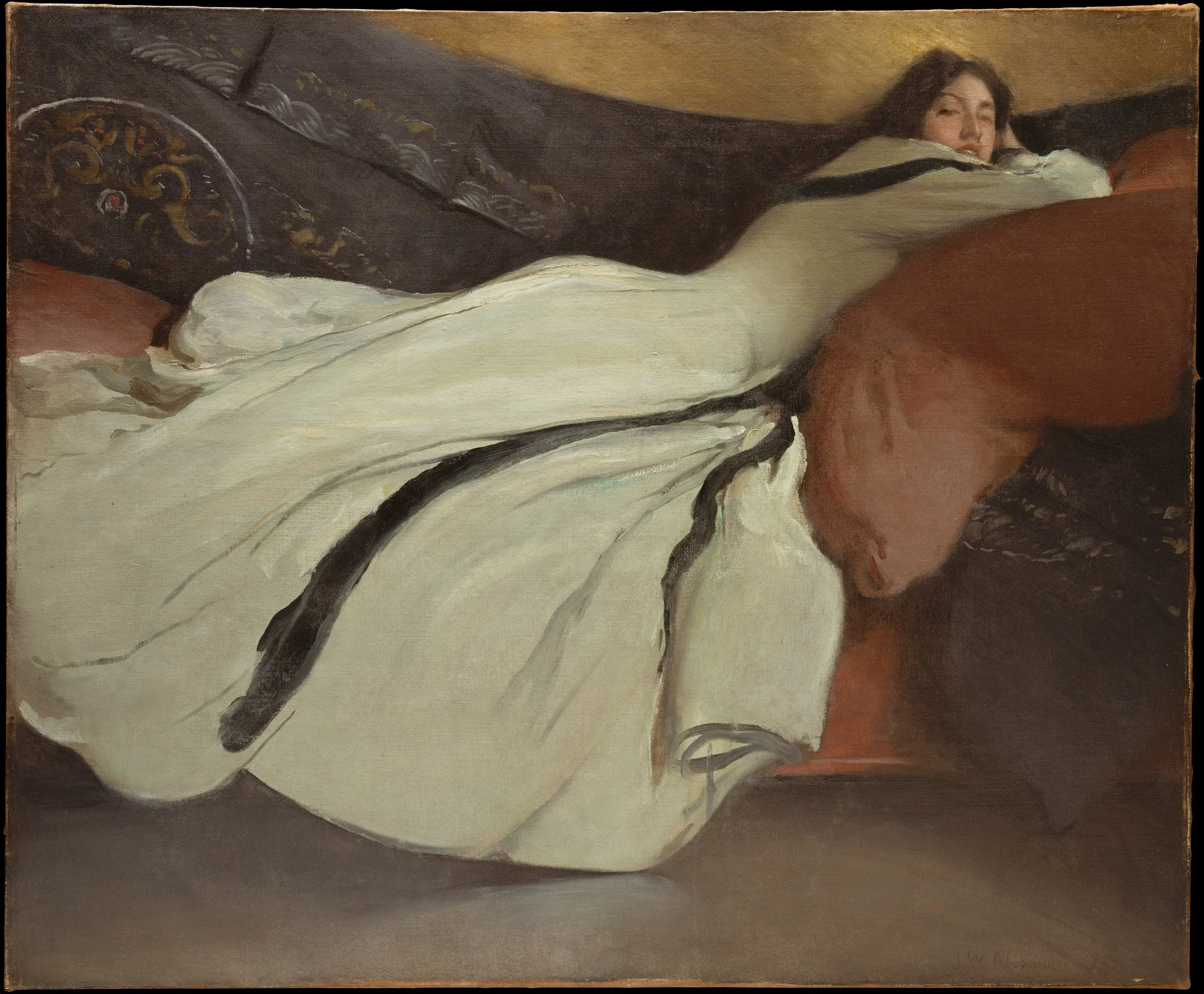
Repose, John White Alexander, 1895.
Music Therapy and Nature: Therapist Perspectives, Connection, and Well-Being
In this 2025 cross-sectional survey, music therapists shared their opinions and experiences with nature-assisted music therapy, outdoor settings, and nature sounds in practice. The findings highlight perceived potential for connection and well-being, along with practical concerns that may shape implementation.
Article Overview
Nature-based approaches are gaining interest within music therapy as clinicians explore how outdoor settings, nature sounds, and nature-connecting methods may support therapeutic work. In this 2025 cross-sectional survey, researchers examined the opinions and experiences of music therapists in Germany and Austria regarding the integration of nature into music therapy practice.
The findings suggest that many therapists saw strong potential in nature-based music therapy, even though most reported limited direct experience using it in practice. Respondents also identified possible benefits such as enhanced therapeutic insight and positive effects of nature sounds on client well-being, while noting concerns related to distraction and confidentiality.
Why This Matters
This article matters because it highlights an emerging area of music therapy practice while staying grounded in what the study actually examined. Rather than testing client outcomes directly, the survey captures how music therapists are thinking about nature-assisted music therapy, outdoor music therapy, and the role of therapeutic environment in supporting connection, reflection, and well-being.
It is also useful because it points to a growing interest in how music therapy may extend beyond traditional indoor settings. For readers interested in wellness, mindful listening, nature sounds, and creative approaches to care, this article offers insight into where the field may be headed and what practical factors still need to be considered.
Pfeifer, E., Aigner, S. E., Stolterfoth, C., Dale, R., Ostermann, T., Probst, T., & Humer, E. (2025). Music therapists’ perspectives on nature-connecting methods and the integration of nature in music therapy: Results of a survey among German and Austrian music therapists. The Arts in Psychotherapy, 92, 102252. https://doi.org/10.1016/j.aip.2025.102252
Read The Full Article
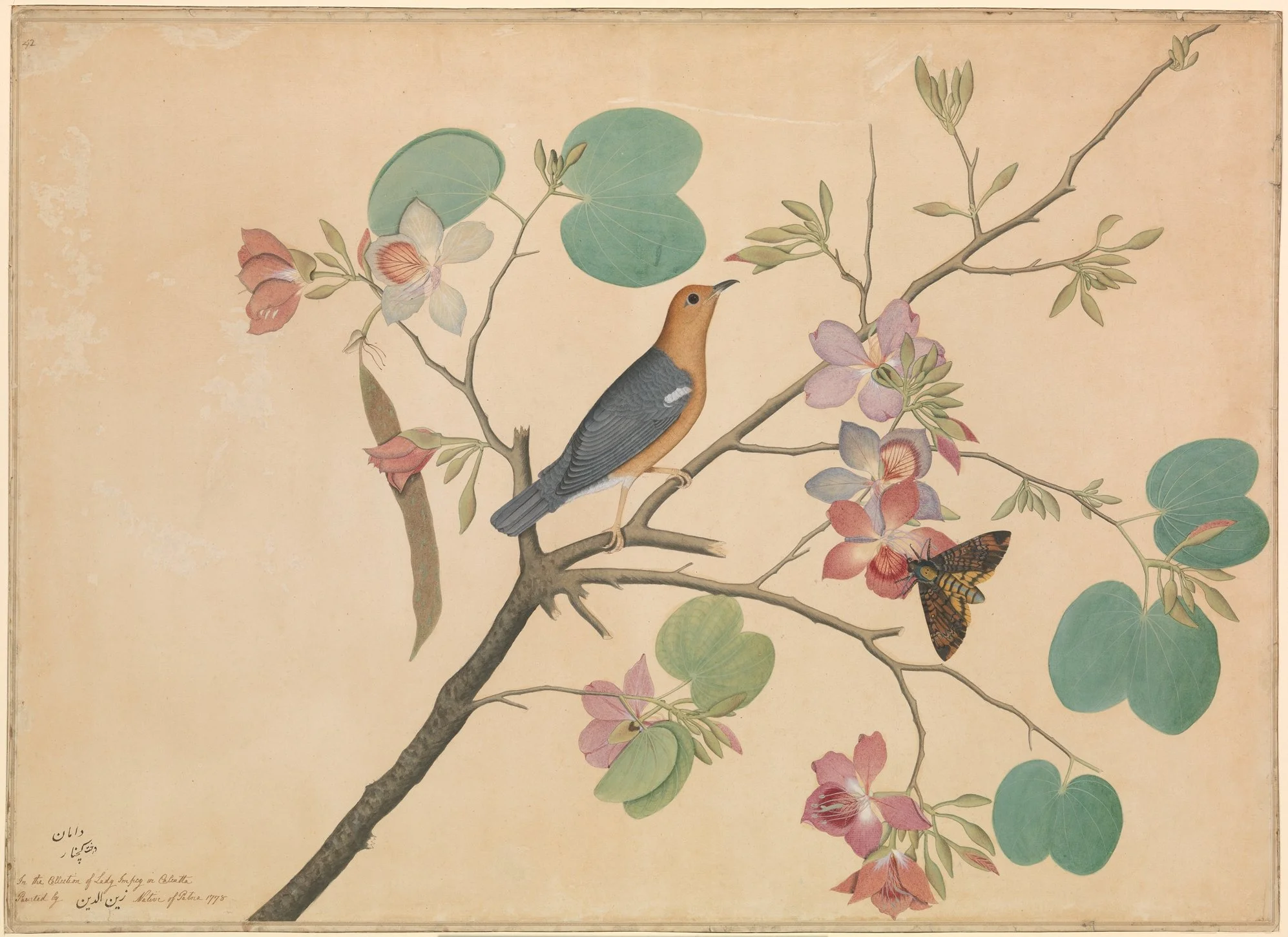
An Orange-Headed Ground Thrush and a Death’s-Head Moth on a Purple Ebony Orchid Branch, Shaikh Zain al-Din, 1778.