
Music Therapy Resources
Explore free and open-access music therapy research, article summaries, and educational resources curated by Revival Jam. Search the library below for topics spanning autism, depression, anxiety, quality of life, dementia, and more.
Music Therapy for Autism Spectrum Disorder: Social Interaction, Communication, and Connection
Music therapy for autism may support social interaction, verbal and nonverbal communication, initiating behavior, and social-emotional reciprocity in children with autism spectrum disorder. This research overview from Revival Jam highlights what a major Cochrane review found and why it matters for families, educators, and clinicians.
Article Overview
Music therapy uses musical experiences and the relationships that develop through them to support communication, expression, and connection. In this Cochrane systematic review, researchers examined the effects of music therapy for children with autism spectrum disorder, with a focus on social interaction, verbal and non-verbal communication, initiating behavior, and emotional reciprocity.
The review suggests that music therapy may help improve social interaction, verbal communication, initiating behavior, and social-emotional reciprocity. The authors also describe possible benefits in areas such as social adaptation, joy, and the quality of parent-child relationships, while noting that more research is still needed.
Why This Matters
Autism support often involves more than reducing challenges. It also includes creating opportunities for connection, expression, relationship-building, and meaningful engagement. This review is important because it highlights music therapy as a relational and interactive approach that may support communication and social development in ways that feel motivating and accessible.
For families, educators, and clinicians, this review offers a helpful overview of how music therapy may support children with autism in areas that matter deeply in daily life. It also reinforces the idea that music therapy is not simply passive listening, but a trained, relationship-based process that can support growth in communication and social connection.
Geretsegger, M., Elefant, C., Mössler, K. A., & Gold, C. (2014). Music therapy for people with autism spectrum disorder. Cochrane Database of Systematic Reviews, 2014(6), CD004381. https://doi.org/10.1002/14651858.CD004381.pub3
Read The Full Article
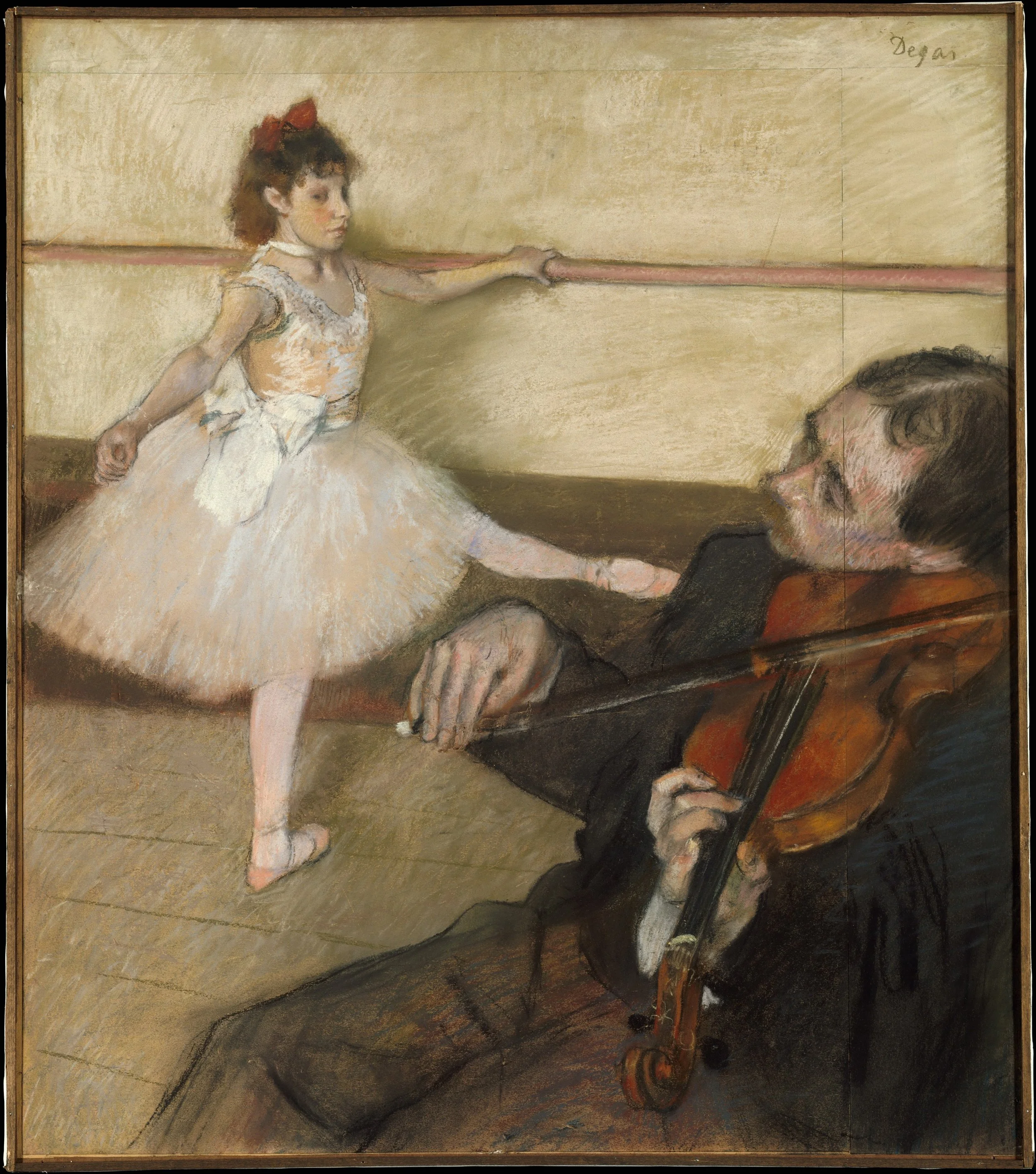
The Dance Lesson, Edgar Degas, ca. 1879.
Music Therapy in End-of-Life Care: Comfort, Connection, and the Human Side of Care
Music therapy in end-of-life care may help reduce anxiety, pain, and stress while supporting comfort and quality of life for terminally ill patients. This Revival Jam research overview explores a narrative review on the biological effects of music therapy, including how rhythm, melody, tempo, and personalized musical choices may influence heart rate, blood pressure, stress hormones, and pain perception.
Article Overview
Music therapy has long been used in hospice, palliative care, and other end-of-life settings to support comfort, expression, connection, and quality of life. In this narrative review, researchers examine the biological and clinical effects of music therapy in end-of-life care, with a focus on anxiety, pain, stress, and individualized care planning.
The review explains that music therapy in these settings is more than a pleasant distraction. According to the authors, music can influence emotional processing, physiological stress responses, and pain perception while also supporting a more personalized and humane care experience for terminally ill patients.
Why This Matters
End-of-life care often involves not only physical symptoms, but also fear, sadness, overwhelm, isolation, and the need for meaning and comfort. The review suggests that music therapy in palliative care settings may help reduce anxiety and pain while supporting well-being and emotional and spiritual care.
The authors also point out that music therapy can support caregivers, not just patients, and that personalized approaches such as biographical music therapy may help people express emotions and connect more clearly with their own life stories.
Terzoni, S., De Vita, A., Ferrara, P., et al. (2025). Biological effects of music therapy in end-of-life care: A narrative review. Medicina, 61, 1690.
Read The Full Article
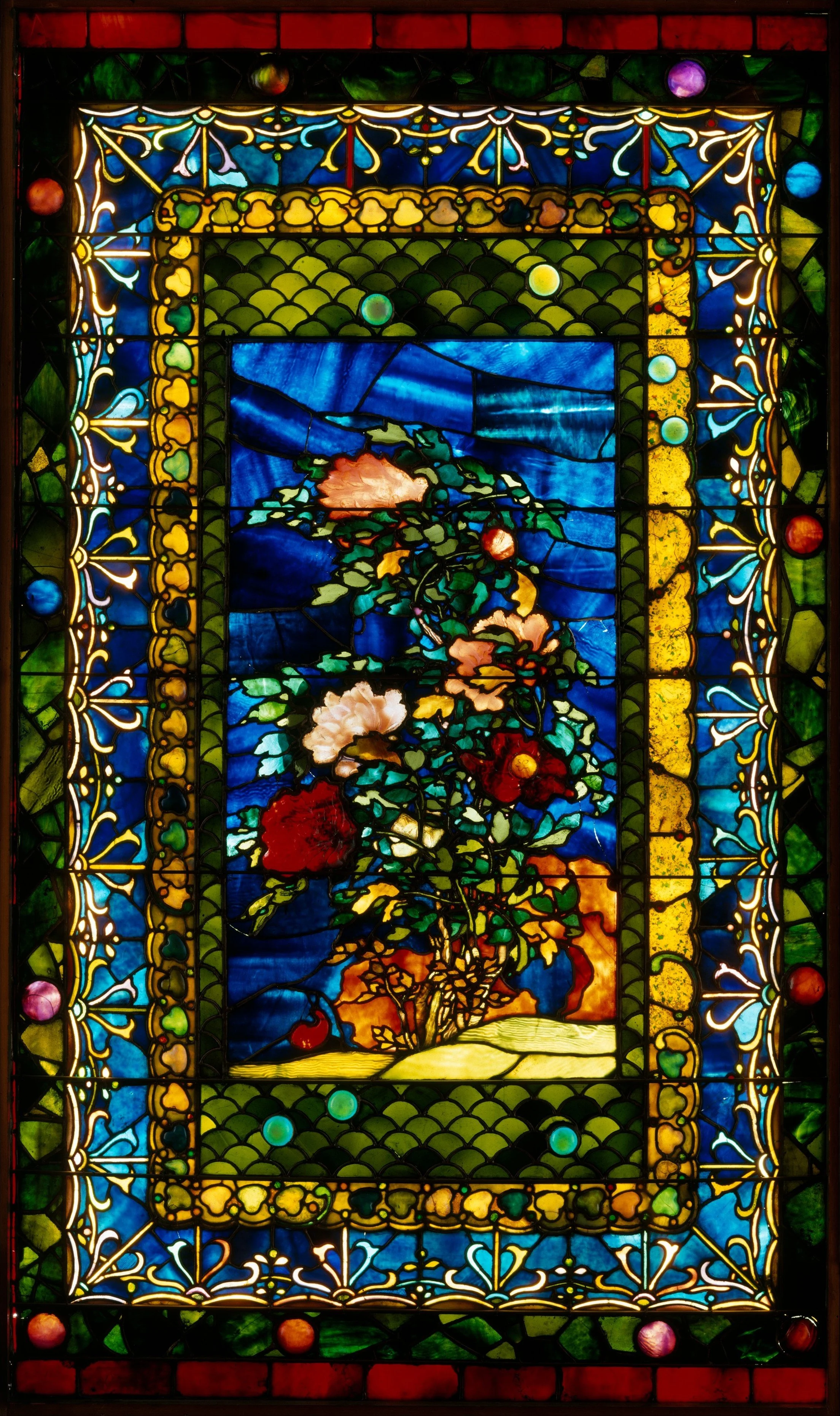
Peonies Blown in the Wind, John La Farge, ca. 1880.