
Music Therapy Resources
Explore free and open-access music therapy research, article summaries, and educational resources curated by Revival Jam. Search the library below for topics spanning autism, depression, anxiety, quality of life, dementia, and more.
Music Therapy for Chronic Pain: Relief, Resonance, and Emotional Well-Being
Music therapy for chronic pain may help reduce pain and depression, according to a 2025 systematic review and meta-analysis. This Revival Jam research overview explores what the evidence says about music therapy, pain relief, emotional well-being, and the role of non-drug supportive care for people living with chronic pain.
Article Overview
Music therapy is increasingly being explored as a supportive treatment for people living with chronic pain. In this 2025 systematic review and meta-analysis, researchers examined randomized controlled trials to evaluate whether music therapy could improve chronic pain, anxiety, depression, and quality of life. The review included 9 trials with a total of 787 patients.
The findings suggest that music therapy may help reduce chronic pain and depression, but the evidence was not strong for anxiety or quality of life improvement. The authors also found that outcomes varied depending on the setting, pain type, intervention format, and how the music was delivered.
Why This Matters
Chronic pain can affect daily functioning, mood, relationships, and overall quality of life. This review matters because it highlights music therapy as a non-pharmacological approach that may help reduce pain and depression in some chronic pain populations, especially at a time when clinicians and patients are looking for alternatives or complements to medication-based care.
For patients, families, and healthcare professionals, this review offers a helpful evidence-based look at where music therapy may be most useful. It also reinforces that music therapy is not a one-size-fits-all intervention. Factors like pain type, setting, patient music choice, and provider training may all influence outcomes.
Chen, S., Yuan, Q., Wang, C., Ye, J., & Yang, L. (2025). The effect of music therapy for patients with chronic pain: Systematic review and meta-analysis. BMC Psychology, 13, 455. https://doi.org/10.1186/s40359-025-02643-x
Read The Full Article
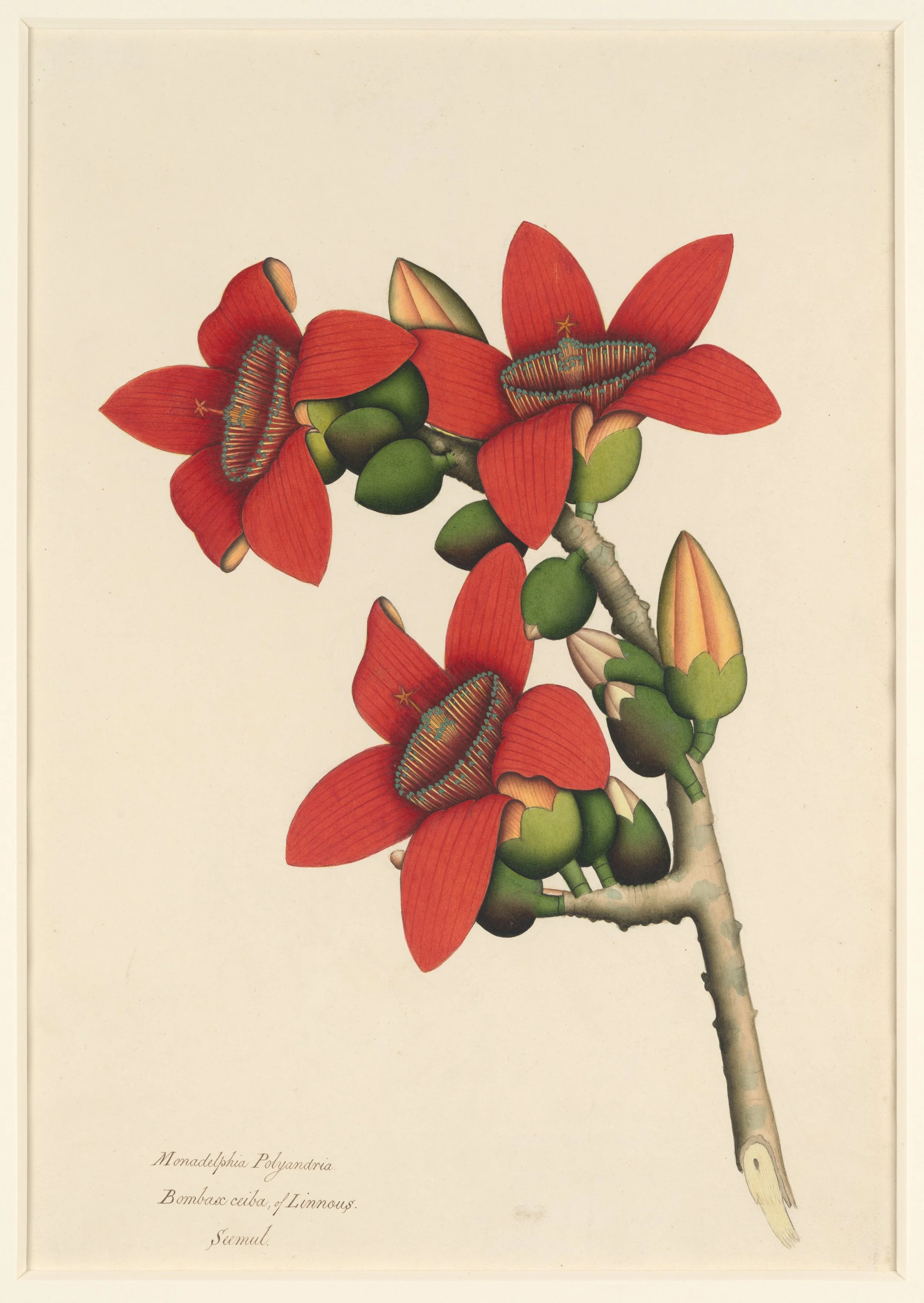
Cotton Tree Flowers, ca. 1800–1805.
Music Therapy for Autism Spectrum Disorder: Social Interaction, Communication, and Connection
Music therapy for autism may support social interaction, verbal and nonverbal communication, initiating behavior, and social-emotional reciprocity in children with autism spectrum disorder. This research overview from Revival Jam highlights what a major Cochrane review found and why it matters for families, educators, and clinicians.
Article Overview
Music therapy uses musical experiences and the relationships that develop through them to support communication, expression, and connection. In this Cochrane systematic review, researchers examined the effects of music therapy for children with autism spectrum disorder, with a focus on social interaction, verbal and non-verbal communication, initiating behavior, and emotional reciprocity.
The review suggests that music therapy may help improve social interaction, verbal communication, initiating behavior, and social-emotional reciprocity. The authors also describe possible benefits in areas such as social adaptation, joy, and the quality of parent-child relationships, while noting that more research is still needed.
Why This Matters
Autism support often involves more than reducing challenges. It also includes creating opportunities for connection, expression, relationship-building, and meaningful engagement. This review is important because it highlights music therapy as a relational and interactive approach that may support communication and social development in ways that feel motivating and accessible.
For families, educators, and clinicians, this review offers a helpful overview of how music therapy may support children with autism in areas that matter deeply in daily life. It also reinforces the idea that music therapy is not simply passive listening, but a trained, relationship-based process that can support growth in communication and social connection.
Geretsegger, M., Elefant, C., Mössler, K. A., & Gold, C. (2014). Music therapy for people with autism spectrum disorder. Cochrane Database of Systematic Reviews, 2014(6), CD004381. https://doi.org/10.1002/14651858.CD004381.pub3
Read The Full Article
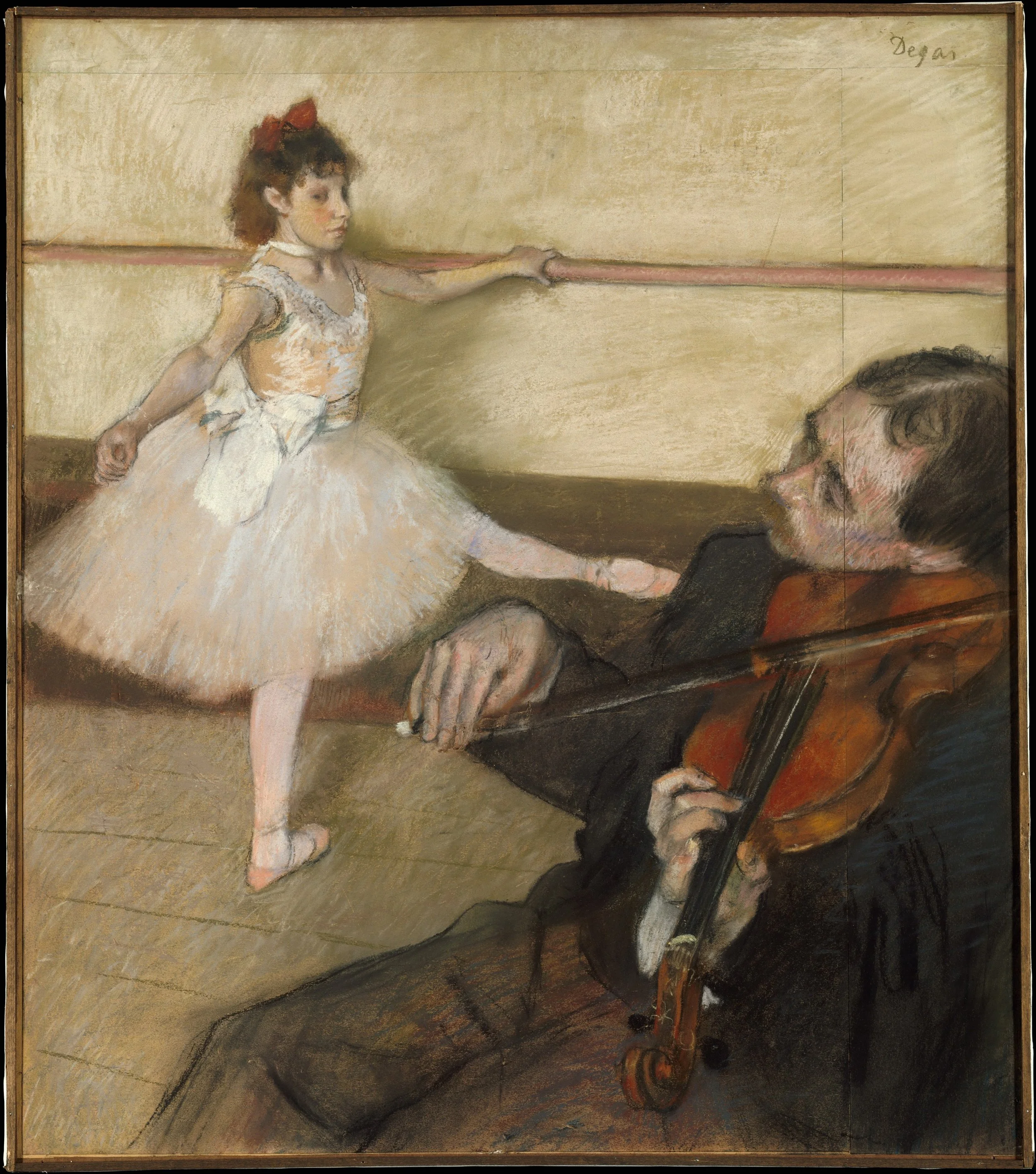
The Dance Lesson, Edgar Degas, ca. 1879.